

Discover 7 everyday habits that affect mattress cleanliness, from eating in bed to trapped moisture, and learn how to keep your bed fresh.
Your mattress plays an important role in your daily comfort. However, everyday habits can gradually affect its cleanliness. Sweat, dead skin cells, dust, and accidental spills can build up over time.
Even if your bed looks clean, some dirt may remain hidden beneath the sheets. Fortunately, a few simple changes can help you maintain a fresher sleeping space.
Here are seven common habits that can affect your mattress and what you can do about them.
1. Skipping Regular Bedding Changes

Bedsheets collect sweat, skin cells, and body oils during sleep. If you leave them unchanged for too long, these materials can transfer to the sleeping surface.
Therefore, wash your sheets regularly and follow the care instructions on the label. Clean bedding helps reduce the amount of dirt that reaches the surface.
In addition, make sure your sheets are completely dry before putting them back on the bed.
2. Going to Bed While Sweaty
Sweating is a normal part of life. However, moisture from your body can gradually reach your bedding and mattress.
This is especially noticeable during warm nights. Over time, repeated moisture exposure may contribute to unpleasant smells.
Where possible, shower before bed after exercise or heavy sweating. You can also choose breathable bedding to improve comfort during warmer weather.
3. Eating and Drinking in Bed
Breakfast in bed can be a lovely treat. However, crumbs, drink spills, and food stains can make mattress care more difficult.
Small crumbs may settle between the sheets, while liquids can soak into the material. Some spills may also leave lasting marks if they are not treated properly.
If you enjoy eating in bed, remove crumbs promptly and deal with spills as soon as possible. Blot liquids gently with a clean cloth rather than rubbing them deeper into the fabric.
4. Making the Bed Immediately After Waking
Your body releases moisture during sleep. When you cover the bed straight away, some of that moisture may remain trapped beneath the bedding.
Instead, pull back the covers for a short time each morning. This allows the sheets to air before you make the bed.
Good airflow can help reduce trapped moisture. However, it cannot replace proper care if the mattress becomes damp or develops mould.
5. Ignoring Dust and Small Particles
Dust can collect around the bed, including on the headboard, bed frame, and nearby furniture. Some particles may also settle on the mattress when you change your sheets.
To reduce build up, vacuum the surrounding area regularly. If the manufacturer allows it, use a suitable upholstery attachment to vacuum the surface.
Pay attention to seams and edges, as these areas can collect small particles.
6. Leaving Stains Untreated
Accidental spills happen. However, leaving them untreated can make some stains harder to remove.
The right treatment depends on the cause of the stain and the mattress material. Using too much water or an unsuitable product may damage certain materials.
Always check the manufacturer’s instructions first. If the stain is stubborn, consider professional treatment rather than repeatedly applying household products.
7. Forgetting Professional Mattress Care
Regular home maintenance is important, but it may not remove every type of dirt or stain. Over time, body oils, spills, and other residue can affect the condition of your mattress.
Professional mattress cleaning can help treat certain stains and remove accumulated dirt. The suitable method depends on the material, condition, and manufacturer’s care guidance.
If your mattress has persistent odours or marks, professional advice may help you decide on the next step.
How Can You Keep Your Mattress Fresh?
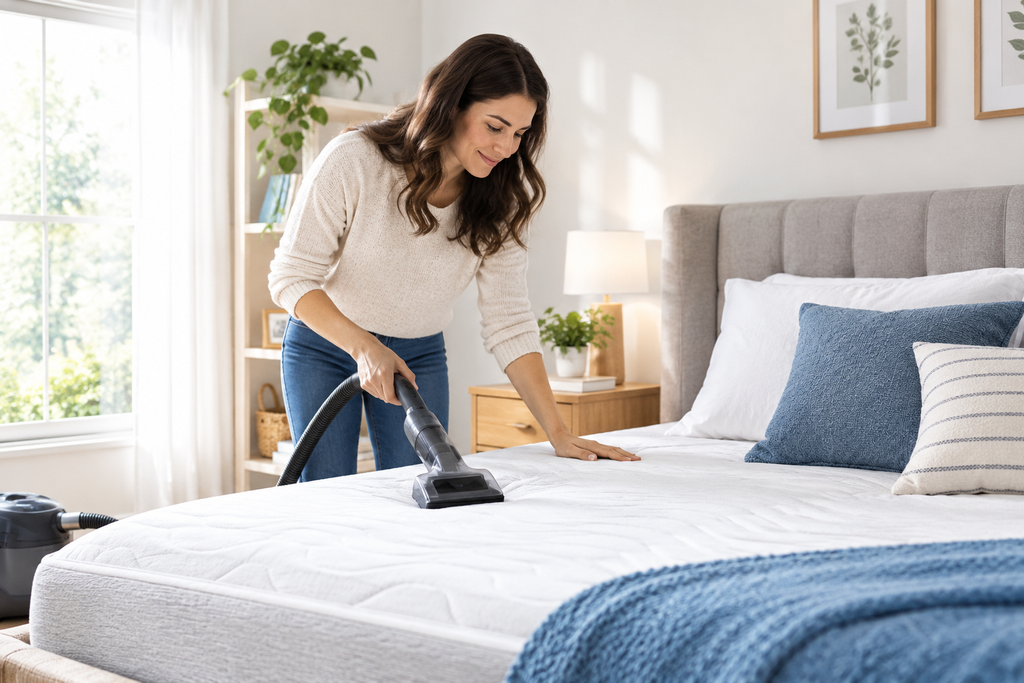
A consistent routine can make mattress care easier. You do not need to spend hours maintaining your bed every day.
Try these simple steps:
- Wash bedding regularly.
- Allow the bed to air after waking.
- Deal with spills promptly.
- Vacuum the surrounding bedroom.
- Follow the manufacturer’s care instructions.
- Use a suitable mattress protector.
- Check for stains and unusual odours.
- Arrange professional treatment when needed.
These habits can help keep your sleeping area fresher and more comfortable.
When Should You Consider Professional Mattress Cleaning?
Sometimes, routine care is not enough. Professional treatment may be worth considering when you notice:
- Stubborn stains that remain after suitable home care
- Persistent unpleasant odours
- Visible dirt or residue
- A mattress that has not received a deeper clean for a long time
- A need to refresh the mattress before guests arrive
However, professional cleaning cannot solve every problem. If your mattress has mould growth, extensive dampness, or structural damage, check the manufacturer’s guidance and consider whether replacement is necessary.
Why Does Regular Mattress Care Matter?
A clean sleeping area can make your bedroom feel more comfortable and inviting. Regular maintenance also helps you notice stains, moisture, and other issues before they become harder to manage.
Most importantly, looking after your mattress can help you get better use from it. Combine simple daily habits with suitable deeper care when necessary.
Conclusion
Everyday habits can affect mattress cleanliness more than you might expect. From skipping bedding changes to leaving spills untreated, small actions can allow dirt and moisture to build up.
Fortunately, regular maintenance can make a difference. Keep bedding fresh, allow airflow, and deal with stains promptly.
When home care is no longer enough, PEPA Cleaning provides professional mattress cleaning services across West London.
Frequently Asked Questions
How often should I clean my mattress?
The frequency depends on its condition, use, and the manufacturer’s instructions. Regular vacuuming, fresh bedding, and prompt spill treatment can help maintain it between deeper treatments.
Can sweat make a mattress smell?
Yes. Repeated moisture and body oils can contribute to unpleasant odours over time. Allowing the bed to air and washing bedding regularly can help.
Can professional cleaning remove mattress stains?
Professional treatment can help with many stains, but results depend on the stain type, its age, and the mattress material.
Should I use water to clean my mattress?
Not without checking the care instructions. Excess moisture can damage some materials and may take a long time to dry.
Keep Your Mattress Fresh with PEPA Cleaning
Give your bed the care it needs with suitable maintenance and professional support when required. PEPA Cleaning offers professional mattress cleaning across West London.
Get in touch today for a free quote.
Phone: +44 7721 830704
Email: contact@pepacleaning.com
Website: pepacleaning.com
Leave a Reply