
Tag: DirtyRooms

  • How to Choose Between Cleaning, Polishing and Replacement

    How to Choose Between Cleaning, Polishing and Replacement

    Learn when cleaning, polishing or replacement is the best choice for carpets, furniture, floors and other household surfaces.

    Over time, household surfaces can lose their fresh appearance. Carpets may develop stains, furniture can look dull, and floors may show signs of wear. However, not every surface needs to be replaced.

    In many cases, professional cleaning or polishing can improve its condition. On the other hand, some damage may require replacement. Therefore, understanding the difference between cleaning, polishing and replacement can help you make a practical decision.

    How to Choose Between Cleaning, Polishing and Replacement

    Cleaning is usually the first option when dirt, dust, stains or unpleasant odours affect a surface. These issues often develop through everyday use. Fortunately, the right cleaning method can help restore a fresher appearance.

    For example, carpets may collect dust and dirt from regular foot traffic. Similarly, sofas can absorb body oils and develop marks over time. Professional cleaning can help remove accumulated dirt and treat suitable stains.

    Cleaning may be the right choice when:

    • The material is still in good condition.
    • Dirt or stains are the main concern.
    • There are no major signs of structural damage.
    • The surface needs routine maintenance.

    However, some stains and odours may remain despite proper treatment. In these situations, a professional assessment can help determine the next step.

    Polishing may be suitable when a hard surface looks dull, has light surface marks or has lost some of its shine. Unlike cleaning, which mainly removes dirt and residue, polishing can improve the finish of certain materials.

    For instance, suitable stone floors may benefit from professional polishing when their shine has faded. Some hard flooring surfaces may also require specialist treatment to improve their appearance.

    Consider polishing when:

    • The surface has lost its shine.
    • Light marks affect its appearance.
    • The material is suitable for polishing.
    • Cleaning alone does not achieve the desired finish.

    Nevertheless, polishing is not appropriate for every material. Some surfaces have protective coatings that can be damaged by unsuitable products or techniques. Therefore, always check the material and its care requirements before proceeding.

    Sometimes, cleaning or polishing cannot solve the underlying problem. Replacement may be the more practical option when a surface has severe damage, significant wear or an issue that affects its function.

    For example, a carpet with extensive permanent damage may need replacing. Likewise, flooring with serious structural problems may require repair or replacement rather than cosmetic treatment.

    Replacement may be worth considering when:

    • The material is badly damaged or worn.
    • Stains or discolouration cannot be improved sufficiently.
    • The surface no longer functions properly.
    • Repeated repairs are becoming impractical.

    Even so, replacement should not be the first decision without assessing the condition. A professional may identify a suitable repair or treatment that costs less than installing something new.

    Before choosing between cleaning, polishing and replacement, consider your budget and the results you expect. Cleaning is often suitable for routine maintenance, while polishing may involve additional specialist work. Replacement can require a larger investment because it may include removing old materials and installing new ones.

    However, the cheapest option is not always the most suitable. For example, repeatedly treating a badly damaged surface may cost more over time than replacing it.

    To make a better decision, compare the estimated cost, expected improvement and likely lifespan of each option. Also, consider whether the treatment will address the actual cause of the problem.

    Different materials need different care methods. Therefore, the best choice depends partly on what you are treating.

    Professional cleaning may help remove accumulated dirt and certain stains. However, carpets with severe damage, worn backing or persistent problems may need replacement.

    Cleaning can improve the appearance of suitable upholstery by removing dirt and some stains. Polishing is generally not suitable for fabric upholstery. Instead, damaged frames, torn fabric or worn padding may require repair or replacement.

    Cleaning is useful for removing dirt and residue. Meanwhile, polishing may help restore the finish of suitable stone or other compatible surfaces. However, cracked tiles, serious damage or worn flooring may require repairs or replacement.

    Regular cleaning can remove fingerprints, dust and water marks. Nevertheless, polishing should only be considered when the material and type of damage allow it. Cracked or broken glass usually requires replacement for safety.

    If you are unsure which option is best, seek professional advice. An experienced cleaning specialist can assess the surface, identify visible concerns and recommend a suitable cleaning method.

    Additionally, a professional assessment may help prevent unnecessary spending. For example, a dull surface might only need thorough cleaning rather than a more intensive treatment.

    Keep in mind that some problems, such as structural damage or broken glass, may require a repair specialist instead of a cleaning service.

    How to Choose Between Cleaning, Polishing and Replacement

    Cleaning often costs less than replacement, especially when the material remains in good condition. However, the final cost depends on the surface, the type of treatment and the extent of the problem.

    No. Polishing may improve minor surface marks on suitable materials. However, deep scratches and significant damage may need specialist repairs or replacement.

    Look for severe wear, damaged backing, persistent odours or damage that affects its use. If cleaning does not produce a satisfactory result, consider getting a professional assessment before deciding.

    Not necessarily. Dullness may result from dirt, residue or a worn finish. Therefore, identify the cause first. Cleaning or polishing may be enough for suitable materials.

    Choosing between cleaning, polishing and replacement depends on the material, its condition and the result you want to achieve. In many cases, the right cleaning method can improve a surface without the cost of replacement. Meanwhile, polishing may help restore the finish of suitable materials.

    However, when damage is severe, replacement may be the more practical solution. By assessing the condition first, you can make a more informed decision and avoid unnecessary expenses.

    PEPA Cleaning provides professional cleaning services for carpets, upholstery, windows and other household surfaces across West London. If you are unsure whether a surface needs professional cleaning, get in touch for advice and a free quote.

  • How to Make Dull Glass Look Clear and Shiny

    How to Make Dull Glass Look Clear and Shiny

    Additionally, learn to make dull glass look clear and shiny by removing watermarks, fingerprints, dust, and residue with simple care tips.

    Moreover, clear windows and mirrors can make a room feel brighter and more open. However, fingerprints, dust, water marks, and product residue can gradually leave it looking dull.

    Even after a quick wipe, streaks may remain. Fortunately, the right cleaning method can help restore a clearer finish and improve the appearance of your windows, mirrors, and other glass surfaces.

    How to Make Dull Glass Look Clear and Shiny

    Here are seven practical ways to keep glass looking clear and shiny.

    Dust and loose particles can collect on windows, mirrors, and transparent doors. If you wipe the surface without removing them first, you may spread the dirt around.

    Start by using a soft, dry microfibre cloth to remove loose particles. Pay attention to corners and edges, where dust can gather.

    Once the surface is free from loose debris, you can move on to a more thorough clean.

    Fingerprints can leave visible marks, especially on mirrors, doors, and frequently touched windows.

    Use a suitable glass cleaner and a clean microfibre cloth. Wipe gently and follow the product instructions.

    Avoid using too much product. Excess liquid can leave residue, which may create streaks as the glass dries.

    Water marks can form when droplets dry on glass. Minerals in the water may remain behind, leaving cloudy spots or pale rings.

    For light marks, use a suitable glass cleaning method. However, stubborn mineral deposits may need a more targeted treatment.

    Always check that the chosen product is safe for the surface. Some specialist surfaces, coatings, and nearby materials may require extra care.

    The tools you use can affect the final result. Rough materials may scratch delicate surfaces, while dirty cloths can spread residue.

    Microfibre cloths are useful for removing marks without leaving much lint. A suitable squeegee can also help achieve a more even finish on larger windows.

    Keep your tools clean and replace them when they become worn or heavily soiled.

    Direct sunlight can heat the glass and cause cleaning products to dry too quickly. This may leave streaks before you have time to wipe the surface properly.

    Where possible, clean windows during cooler parts of the day or when the glass is shaded.

    Work in manageable sections. Then, dry each area with a clean cloth or suitable squeegee before moving on.

    Glass may look dull again if nearby frames and edges remain dirty. Dust, insects, and residue can collect around window tracks and corners.

    Clean the surrounding frames using a method suitable for their material. Remove loose debris from tracks and wipe away any remaining dirt.

    This helps improve the overall appearance of the window rather than focusing only on the glass.

    Routine care can remove many everyday marks. However, stubborn deposits, difficult access, and large windows can make the job more challenging.

    Professional window cleaning can help remove built up dirt and improve the clarity of suitable glass surfaces. A professional service can also reach areas that may be difficult to clean safely yourself.

    If glass remains cloudy after routine care, it may be worth checking whether the issue is surface residue, mineral deposits, or damage to the glass itself.

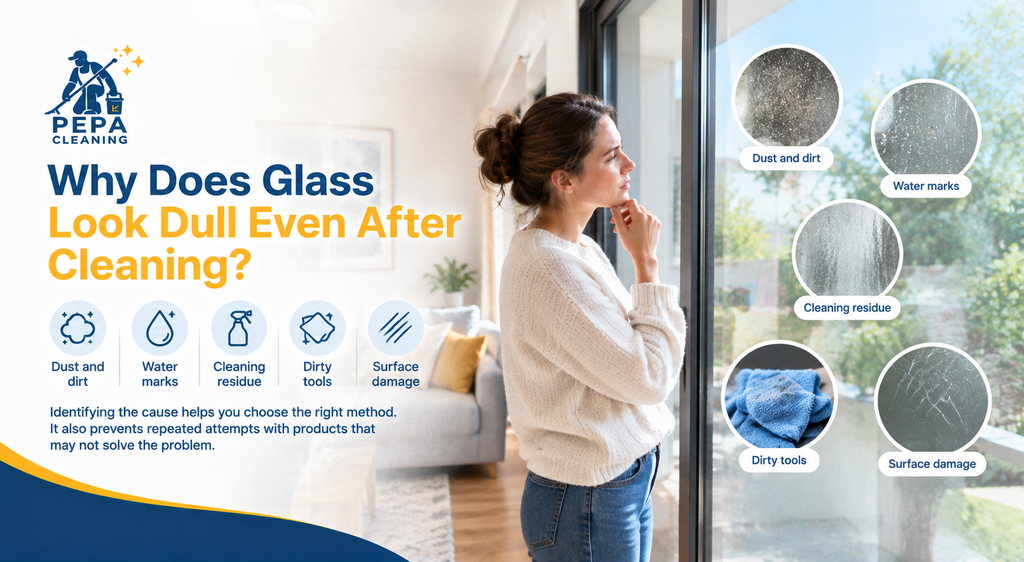
    Why Does Glass Look Dull Even After Cleaning?

    Several factors can affect the appearance of glass.

    • Dust and dirt: Loose particles can spread across the surface during wiping.
    • Water marks: Minerals can remain after droplets dry.
    • Cleaning residue: Too much product may leave a cloudy film.
    • Dirty tools: Used cloths can transfer grease and debris.
    • Surface damage: Scratches or deterioration may not be removable through cleaning.

    Identifying the cause helps you choose the right method. It also prevents repeated attempts with products that may not solve the problem.

    The ideal frequency depends on the location and how quickly marks appear.

    Windows near busy roads may collect dirt faster. Glass doors and mirrors may need more frequent attention because people touch them regularly.

    For everyday maintenance, remove visible fingerprints and marks as needed. Schedule a more thorough clean when dust, water spots, or residue begin to affect the appearance.

    Keeping windows and mirrors clear does not always require complicated methods. Instead, focus on regular care, suitable products, and clean tools. Most importantly, identify the cause of the dull appearance before choosing a treatment. By following these steps, you can help maintain a brighter and cleaner looking home.

    PEPA Cleaning provides professional window cleaning services across West London. Our team can help refresh windows and other suitable glass surfaces.

    Cloudiness may result from product residue, mineral deposits, dirty cloths, or damage to the surface. Identifying the cause helps determine the right treatment.

    A clean microfibre cloth is a useful option because it absorbs moisture and helps reduce lint and streaks.

    Some water marks can be removed with suitable products. However, stubborn mineral deposits may need targeted treatment, while etched or damaged glass may not return to its original appearance.

    Remove dust first, avoid excessive product, use clean tools, and dry the glass before the cleaner evaporates.

    Are your windows looking dull despite regular care? PEPA Cleaning offers professional window cleaning across West London to help your property look brighter and better maintained.

  • How to Maintain a Fresh Home Between Deep Cleans

    How to Maintain a Fresh Home Between Deep Cleans

    Learn 9 simple ways to keep your home fresh between deep cleans, from managing dust and odours to caring for floors, upholstery, and bedding.

    Keeping your home fresh does not always require hours of work. Small daily habits can help maintain a comfortable and tidy living space between deep cleans.

    Dust, food crumbs, moisture, and everyday use can gradually affect different rooms. However, a simple routine can help prevent dirt from building up too quickly.

    Here are nine practical ways to keep your home feeling fresh between professional cleaning visits.

    Keep Your Home Tidy Every Day

    A tidy home is easier to maintain. Everyday items can quickly pile up on tables, worktops, and other surfaces.

    Spend a few minutes putting things back where they belong. Clear away used dishes, fold blankets, and return loose items to their storage spaces.

    As a result, your rooms can feel more organised without requiring a major effort.

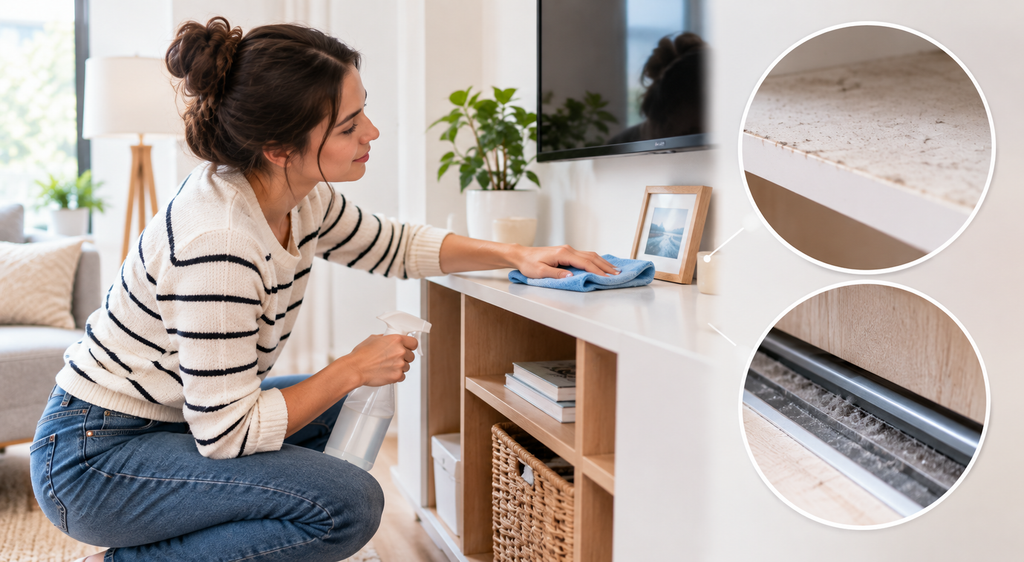
    Dust can settle on shelves, tables, window sills, and electronic equipment. If left for too long, it can spread to nearby areas.

    Use a suitable cloth to wipe frequently used surfaces. Start with higher areas before moving to lower ones.

    In addition, pay attention to corners and spaces behind small items. These spots are easy to overlook during a quick tidy.

    Floors collect dirt from shoes, everyday movement, and dropped food particles. Entrance areas and hallways may need attention more often because people use them throughout the day.

    Sweep, vacuum, or mop according to the flooring material. Also, clean spills promptly to prevent marks from becoming harder to remove.

    For deeper dirt or stubborn marks, professional floor care may be useful.

    Sofas and chairs are used regularly, so they can collect crumbs, dust, and body oils over time.

    Vacuum upholstered surfaces when needed. Remember to check between cushions and along seams, where small particles can collect.

    You can also straighten cushions and wash removable covers according to their care labels. However, some stains may require specialist treatment.

    Cooking can leave grease, food residue, and lingering smells around your home. Regular attention can help prevent these from building up.

    Wipe worktops after preparing meals. Wash dishes promptly and clean spills around cooking areas.

    Also, check the fridge regularly for expired food. Empty rubbish bins as needed and clean them when necessary.

    These simple habits can help your kitchen stay more pleasant between deeper cleans.

    Bathrooms are exposed to water and steam every day. Good ventilation helps manage moisture and keep this part of your home more comfortable.

    Use an extractor fan where available. You can also open a window when appropriate to improve airflow.

    After showering, wipe away excess water from suitable surfaces. Wash bath mats regularly and allow them to dry fully.

    If you notice persistent dampness or mould, address the underlying moisture problem rather than relying on surface cleaning alone.

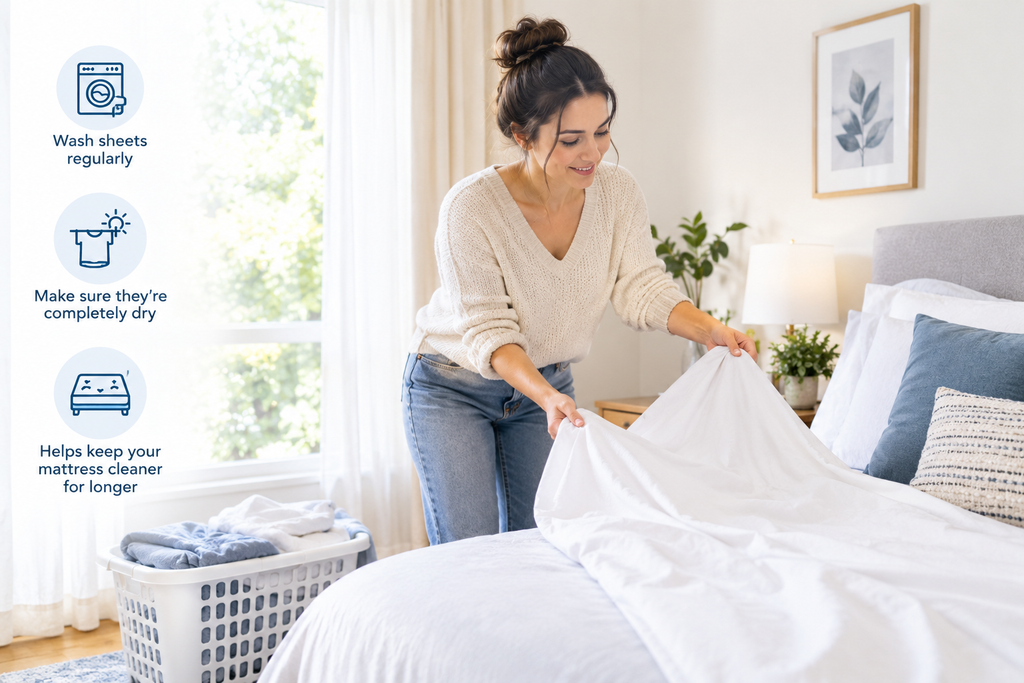
    Bedsheets collect sweat, body oils, and skin cells during sleep. Changing them regularly helps maintain a fresher sleeping space.

    Follow the washing instructions on your bedding labels. Make sure sheets are completely dry before putting them back on the bed.

    Meanwhile, allow your bed to air briefly after waking. This can help moisture escape before you make it.

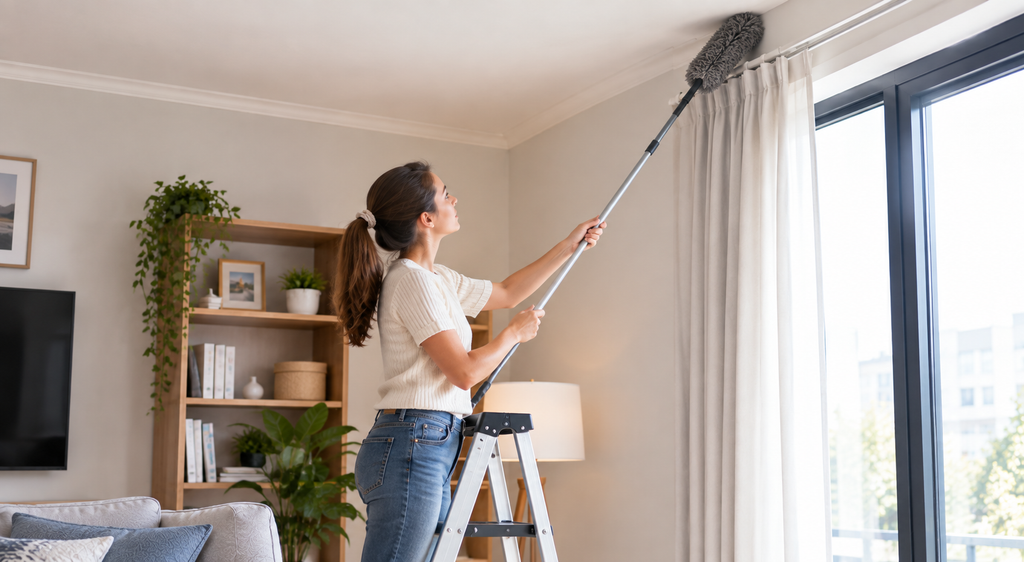
    Windows can collect fingerprints, water marks, and dust. Curtains and blinds can also gather particles over time.

    Wipe window sills and frames as part of your regular routine. Clean glass when marks become noticeable, and vacuum suitable curtains or blinds according to their care instructions.

    For difficult to reach windows or stubborn marks, a professional window service may be worth considering.

    Air fresheners can make a room smell pleasant temporarily. However, they do not remove the source of an unpleasant odour.

    Check for food residue, damp fabrics, overflowing bins, or other possible causes. Wash textiles when needed and improve ventilation where possible.

    If an odour continues, investigate the cause before covering it with fragrance.

    The right routine depends on how many people live in the property, whether you have pets, and how often each room is used.

    Here is a simple guide to get started:

    • Daily: Tidy loose items, wash dishes, and wipe kitchen worktops.
    • A few times a week: Vacuum busy areas and remove visible dust.
    • Weekly: Change bedding as needed, clean bathrooms, and refresh frequently used rooms.
    • Monthly or as needed: Clean overlooked spaces, check curtains, and inspect areas behind furniture.

    Adjust this schedule to suit your household. The aim is to make upkeep manageable rather than create more work.

    Regular maintenance helps, but some dirt can remain hidden in carpets, upholstery, and hard to reach areas.

    A professional deep clean may be useful when:

    • Stains remain despite suitable home care.
    • Carpets or sofas look dull.
    • Dust and dirt have accumulated in overlooked areas.
    • Persistent odours remain after the source has been addressed.
    • You are preparing for guests or a change of tenancy.

    Professional services can provide more detailed care for suitable materials and areas that are difficult to maintain yourself.

    Keeping Your Home Fresh

    Keeping your home fresh between deep cleans is easier when you build small habits into your routine. Regular tidying, fresh bedding, clean floors, and good ventilation can all help.

    However, routine upkeep cannot always remove deep dirt or stubborn stains. Professional care can provide extra support when your property needs more attention.

    PEPA Cleaning provides professional cleaning services across West London, including carpet, upholstery, window, and hard floor care.

    Tidy regularly, wipe kitchen surfaces, remove rubbish, and open windows when suitable. Small tasks can prevent dirt and unpleasant smells from building up.

    Yes, it may still be useful. Everyday routines maintain visible areas, while professional services can help address deeper dirt and stubborn marks.

    Remove rubbish, wash fabrics regularly, improve ventilation, and deal with spills or dampness. Finding the source of an odour is more effective than masking it.

    This depends on your household, property size, and the condition of your carpets, upholstery, and other areas. Arrange a service when routine care no longer gives you the results you need.

    Need extra help maintaining a fresh and comfortable property? PEPA Cleaning offers professional cleaning services across West London.

  • How Everyday Habits Make Your Mattress Less Clean

    How Everyday Habits Make Your Mattress Less Clean

    Discover 7 everyday habits that affect mattress cleanliness, from eating in bed to trapped moisture, and learn how to keep your bed fresh.

    Your mattress plays an important role in your daily comfort. However, everyday habits can gradually affect its cleanliness. Sweat, dead skin cells, dust, and accidental spills can build up over time.

    Even if your bed looks clean, some dirt may remain hidden beneath the sheets. Fortunately, a few simple changes can help you maintain a fresher sleeping space.

    Here are seven common habits that can affect your mattress and what you can do about them.

    How Everyday Habits Make Your Mattress Less Clean

    Bedsheets collect sweat, skin cells, and body oils during sleep. If you leave them unchanged for too long, these materials can transfer to the sleeping surface.

    Therefore, wash your sheets regularly and follow the care instructions on the label. Clean bedding helps reduce the amount of dirt that reaches the surface.

    In addition, make sure your sheets are completely dry before putting them back on the bed.

    Sweating is a normal part of life. However, moisture from your body can gradually reach your bedding and mattress.

    This is especially noticeable during warm nights. Over time, repeated moisture exposure may contribute to unpleasant smells.

    Where possible, shower before bed after exercise or heavy sweating. You can also choose breathable bedding to improve comfort during warmer weather.

    Breakfast in bed can be a lovely treat. However, crumbs, drink spills, and food stains can make mattress care more difficult.

    Small crumbs may settle between the sheets, while liquids can soak into the material. Some spills may also leave lasting marks if they are not treated properly.

    If you enjoy eating in bed, remove crumbs promptly and deal with spills as soon as possible. Blot liquids gently with a clean cloth rather than rubbing them deeper into the fabric.

    Your body releases moisture during sleep. When you cover the bed straight away, some of that moisture may remain trapped beneath the bedding.

    Instead, pull back the covers for a short time each morning. This allows the sheets to air before you make the bed.

    Good airflow can help reduce trapped moisture. However, it cannot replace proper care if the mattress becomes damp or develops mould.

    Dust can collect around the bed, including on the headboard, bed frame, and nearby furniture. Some particles may also settle on the mattress when you change your sheets.

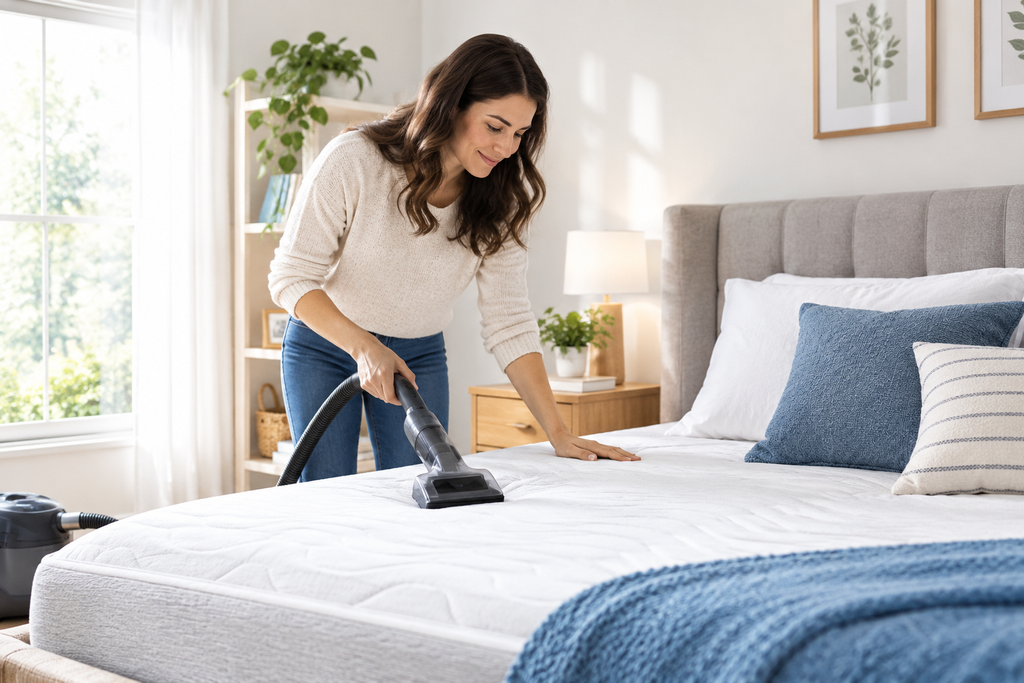
    To reduce build up, vacuum the surrounding area regularly. If the manufacturer allows it, use a suitable upholstery attachment to vacuum the surface.

    Pay attention to seams and edges, as these areas can collect small particles.

    Accidental spills happen. However, leaving them untreated can make some stains harder to remove.

    The right treatment depends on the cause of the stain and the mattress material. Using too much water or an unsuitable product may damage certain materials.

    Always check the manufacturer’s instructions first. If the stain is stubborn, consider professional treatment rather than repeatedly applying household products.

    Regular home maintenance is important, but it may not remove every type of dirt or stain. Over time, body oils, spills, and other residue can affect the condition of your mattress.

    Professional mattress cleaning can help treat certain stains and remove accumulated dirt. The suitable method depends on the material, condition, and manufacturer’s care guidance.

    If your mattress has persistent odours or marks, professional advice may help you decide on the next step.

    How Can You Keep Your Mattress Fresh?

    A consistent routine can make mattress care easier. You do not need to spend hours maintaining your bed every day.

    Try these simple steps:

    • Wash bedding regularly.
    • Allow the bed to air after waking.
    • Deal with spills promptly.
    • Vacuum the surrounding bedroom.
    • Follow the manufacturer’s care instructions.
    • Use a suitable mattress protector.
    • Check for stains and unusual odours.
    • Arrange professional treatment when needed.

    These habits can help keep your sleeping area fresher and more comfortable.

    Sometimes, routine care is not enough. Professional treatment may be worth considering when you notice:

    • Stubborn stains that remain after suitable home care
    • Persistent unpleasant odours
    • Visible dirt or residue
    • A mattress that has not received a deeper clean for a long time
    • A need to refresh the mattress before guests arrive

    However, professional cleaning cannot solve every problem. If your mattress has mould growth, extensive dampness, or structural damage, check the manufacturer’s guidance and consider whether replacement is necessary.

    A clean sleeping area can make your bedroom feel more comfortable and inviting. Regular maintenance also helps you notice stains, moisture, and other issues before they become harder to manage.

    Most importantly, looking after your mattress can help you get better use from it. Combine simple daily habits with suitable deeper care when necessary.

    Everyday habits can affect mattress cleanliness more than you might expect. From skipping bedding changes to leaving spills untreated, small actions can allow dirt and moisture to build up.

    Fortunately, regular maintenance can make a difference. Keep bedding fresh, allow airflow, and deal with stains promptly.

    When home care is no longer enough, PEPA Cleaning provides professional mattress cleaning services across West London.

    How often should I clean my mattress?

    The frequency depends on its condition, use, and the manufacturer’s instructions. Regular vacuuming, fresh bedding, and prompt spill treatment can help maintain it between deeper treatments.

    Yes. Repeated moisture and body oils can contribute to unpleasant odours over time. Allowing the bed to air and washing bedding regularly can help.

    Professional treatment can help with many stains, but results depend on the stain type, its age, and the mattress material.

    Not without checking the care instructions. Excess moisture can damage some materials and may take a long time to dry.

    Give your bed the care it needs with suitable maintenance and professional support when required. PEPA Cleaning offers professional mattress cleaning across West London.

  • What to Professionally Clean Before Moving Into a New Home

    What to Professionally Clean Before Moving Into a New Home

    Moving into a new home? Discover what to clean professionally, from carpets and upholstery to floors, windows, mattresses, and hard-to-reach areas.

    Moving into a new home is an exciting time, but there is often more to prepare than unpacking boxes.

    Even when a property looks tidy, previous occupants may have left behind dirt, dust, stains, and build-up in areas that are easy to overlook.

    This is why cleaning before moving in can be worthwhile. Starting with a fresh and thoroughly maintained space can make settling into your new home much easier.

    Why Clean Before Moving Into a New Home?

    Why Clean Before Moving Into a New Home?

    A property can look clean without every surface receiving detailed attention.

    Carpets may contain built-up dirt, while cupboards, windows, floors, and other areas may need additional care.

    Before your belongings arrive, it is also easier to access empty rooms and hard-to-reach areas.

    Professional cleaning can therefore help you start with a home that feels fresher and more prepared for everyday living.

    Professional Carpet Cleaning for Your New Home

    Carpets can hold dirt, dust, hair, and other particles within their fibres.

    If the previous occupants lived in the property for several years, the carpet may have accumulated significant build-up even if it looks reasonably clean.

    Professional carpet cleaning can provide a deeper treatment before you move the furniture into the rooms.

    This is particularly useful for bedrooms, living rooms, hallways, and other areas with regular foot traffic.

    Professional Rug Cleaning for Your Home

    Rugs can also collect dirt through everyday use.

    Because people often place them under furniture, cleaning them after moving in becomes more difficult.

    Therefore, have the rugs professionally treated while the property is still empty.

    Always check the material and care requirements before choosing a treatment.

    Sofa and Upholstery Cleaning

    If the property includes existing sofas, chairs, or other upholstered furniture, these surfaces may need attention before you begin using them.

    Upholstery can collect dust, food particles, hair, and other everyday debris.

    Professional upholstery cleaning can help refresh suitable fabric surfaces and remove built-up dirt.

    If you are bringing your own furniture, this can also be a good opportunity to have it treated before placing it in the new home.

    Mattress Cleaning

    A mattress can be one of the most personal items in a bedroom.

    If a property includes an existing mattress, consider whether it should be professionally cleaned before use.

    For your own mattress, professional treatment can also be useful when it has accumulated dirt or has not been cleaned for some time.

    Starting with a freshly maintained sleeping area can make the bedroom feel more comfortable from the beginning.

    Floor Cleaning and Polishing

    Floors receive constant use, so they can develop marks, residue, and dull areas.

    Different materials require different methods of care. Hardwood, stone, tile, and other surfaces should be treated according to their specific requirements.

    For suitable flooring, professional floor cleaning or polishing can help improve its appearance before furniture is installed.

    Window Cleaning

    Windows can easily be overlooked when preparing a new home.

    Glass may have fingerprints and marks, while frames, sills, and tracks can collect dirt.

    Professional window cleaning can give these areas more detailed attention and may also be easier before furniture and belongings fill the rooms.

    Large or difficult-to-reach windows can be particularly suitable for professional help.

    Clean Inside Cupboards and Storage Areas

    Cupboards and storage spaces are often overlooked during everyday household cleaning.

    Before filling them with your belongings, wipe or clean shelves, drawers, and accessible surfaces.

    In addition, check the tops of cupboards and other areas that may have collected dust over time.

    Starting with empty storage spaces makes this task much easier.

    Pay Attention to Bathrooms

    Bathrooms deserve detailed attention before you start using them.

    Clean the toilet, sink, bath, shower, tiles, floors, and other frequently touched surfaces.

    Look for areas where soap residue, limescale, or moisture-related build-up may have developed.

    If the bathroom requires more intensive treatment, professional help can make the process easier.

    Do Not Forget the Kitchen

    The kitchen can contain many areas that need attention before use.

    Focus on:

    • Cupboards and drawers
    • Worktops
    • Floors
    • Sinks
    • Splashbacks
    • Appliance surfaces
    • Areas behind and underneath appliances

    Where possible, clean these areas before unpacking food, cookware, and other belongings.

    Clean Hard-to-Reach Areas First

    An empty home gives you access to areas that may become difficult to reach later.

    Check behind furniture spaces, underneath cabinets, corners, skirting boards, window frames, and other less visible areas.

    By dealing with these areas early, you can avoid moving furniture around later just to reach them.

    When Should You Book Professional Cleaning?

    Professional cleaning can be especially useful when:

    • The property was previously occupied
    • Carpets have visible stains or built-up dirt
    • Upholstery needs deeper treatment
    • Windows are difficult to reach
    • Floors need polishing
    • Mattresses require professional care
    • The property has been vacant for a long period
    • You have limited time before moving day
    • Several rooms need attention at once

    Booking the service before moving your belongings in can make the process more efficient.

    Make Cleaning Part of Your Home Moving Plan

    What to Professionally Clean Before Moving Into a New Home

    You do not have to wait until everything is unpacked.

    If possible, arrange professional services before your furniture and boxes arrive. This gives the cleaning team easier access to floors, carpets, windows, and other surfaces.

    Afterwards, you can move your belongings into a space that has already been thoroughly prepared.

    Final Thoughts on Cleaning Your New Home

    Moving into a new home is easier when the property is ready before the boxes arrive.

    Carpets, rugs, upholstery, mattresses, floors, windows, cupboards, kitchens, and bathrooms can all benefit from attention before you settle in.

    Professional cleaning can save time and make difficult tasks more manageable, especially when the property has been previously occupied.

    A little preparation can give you a cleaner starting point and make your new home feel like your own.

    Frequently Asked Questions

    Should I clean a house before moving in?

    Yes. Cleaning before moving in gives you an opportunity to reach floors, carpets, cupboards, windows, and other areas before they become blocked by furniture and belongings.

    What should be professionally cleaned before moving in?

    Carpets, rugs, upholstery, mattresses, floors, windows, and other difficult-to-clean areas are good candidates for professional treatment.

    Should carpets be professionally cleaned before moving furniture in?

    It can be useful. An empty room gives the cleaning team better access to the entire carpet and allows it to dry before furniture is placed inside.

    Should I clean the kitchen before unpacking?

    Yes. Clean cupboards, drawers, worktops, appliances, sinks, and floors before putting away food and kitchen equipment.

    Is professional cleaning worth it when moving into a home?

    It can be particularly helpful when the property was previously occupied or when several areas require deeper treatment before you move in.

    Start Fresh in Your New Home with PEPA Cleaning

    Moving into a new home already involves plenty of planning. Professional help can make the preparation easier.

    PEPA Cleaning provides carpet cleaning, sofa and upholstery cleaning, rug and mattress cleaning, window cleaning, hard floor polishing, end of tenancy cleaning, garden maintenance, and waste removal across West London.

    If you want your new home professionally prepared before you move in, our team can help.

    Get in touch today for a free quote.
    Phone or WhatsApp: +44 7721 830704
    Email: contact@pepacleaning.com
    Website: https://pepacleaning.com/

  • How to Maintain a Clean Home With Pets

    How to Maintain a Clean Home With Pets

    Learn simple ways to keep your home clean with pets, from managing fur and muddy paws to maintaining carpets, upholstery, bedding, and floors.

    Having pets can make a home feel lively, comfortable, and full of character.

    At the same time, everyday pet life can bring fur, outdoor dirt, food crumbs, and occasional mess into your living spaces. With a simple routine, these things can be managed without taking away from the joy of having pets at home.

    The key is to focus on the areas your pets use most and maintain them regularly.

    A consistent routine can make household cleaning easier.

    Instead of waiting until dirt becomes noticeable, set aside time to vacuum, wipe surfaces, wash pet bedding, and clean frequently used areas.

    For example, a quick daily tidy can help keep smaller messes under control, while deeper tasks can be scheduled weekly or monthly.

    Pet beds can collect fur, dirt, and other particles through regular use.

    Wash removable covers according to their care instructions. If the bed cannot be washed easily, vacuum it regularly and check the manufacturer’s cleaning guidance.

    In addition, keep bedding in an area that is easy to clean around.

    Fresh bedding can help keep your pet’s resting area more comfortable while making household maintenance easier.

    Fur can settle on carpets, sofas, bedding, and other fabric surfaces.

    Regular brushing can help reduce loose fur before it spreads around the home. Vacuuming can then help pick up what remains on floors and furniture.

    Pay particular attention to corners, underneath furniture, and areas where your pet spends a lot of time.

    A consistent routine is usually easier than trying to remove a large amount of fur all at once.

    Carpets and rugs can collect fur, outdoor particles, and everyday dirt.

    Vacuuming regularly can help with routine maintenance. However, heavily used carpets may eventually need a deeper clean.

    Professional carpet and rug cleaning can help remove built-up dirt from fibres that regular vacuuming may not fully reach.

    This can be especially useful in homes where pets spend a lot of time indoors.

    How to Maintain a Clean Home With Pets

    If your pet enjoys relaxing on the sofa, the fabric can collect fur and everyday dirt.

    Use a suitable vacuum attachment to clean cushions and accessible areas. Always follow the manufacturer’s care instructions before applying any product.

    For fabric surfaces that need deeper attention, professional upholstery cleaning may be suitable.

    This can help maintain the appearance of sofas and chairs while keeping frequently used areas fresh.

    Outdoor walks can bring soil and moisture indoors.

    Keeping a towel near the entrance can make it easier to clean muddy paws before your pet walks through the house.

    Similarly, placing a suitable mat near entrances can help catch some outdoor dirt.

    Cleaning small marks promptly can also prevent them from becoming harder to remove later.

    Floors can receive plenty of attention in a pet-friendly home.

    Hard floors may collect dirt, hair, and paw marks, while carpets can hold particles within their fibres.

    Vacuum and mop suitable surfaces regularly. Choose products that are appropriate for your flooring and follow the manufacturer’s instructions.

    If floors have become dull or heavily marked, professional floor cleaning or polishing may be worth considering.

    Food and water bowls can create small spills around feeding areas.

    Wipe the surrounding floor regularly and wash bowls according to their care instructions.

    Also, check underneath feeding mats because moisture and crumbs can collect underneath them.

    Keeping this area tidy can make everyday maintenance easier.

    Pets can spend time near windows, sofas, curtains, and other soft furnishings.

    These areas can collect fur and everyday particles over time.

    Vacuum suitable fabric surfaces and clean curtains according to their care instructions.

    For larger or difficult-to-reach windows, professional window cleaning can also make household maintenance easier.

    Some areas are easy to miss during everyday cleaning.

    Fur and dirt can collect underneath beds, behind sofas, underneath cabinets, and around furniture legs.

    Whenever it is safe to do so, move smaller items and clean the areas underneath.

    These small areas can make a noticeable difference when they are included in your regular routine.

    Having pets does not mean your home needs constant deep cleaning.

    Instead, create a routine that matches your household.

    How to Maintain a Clean Home With Pets

    Daily

    • Clear visible fur
    • Wipe feeding areas
    • Deal with muddy paw marks
    • Tidy pet belongings
    • Check frequently used areas

    Weekly

    • Vacuum carpets and rugs
    • Clean upholstery
    • Wash pet bedding
    • Mop suitable floors
    • Clean around furniture

    Occasionally

    • Deep clean carpets
    • Clean sofas and upholstery
    • Wash curtains
    • Clean mattresses and rugs
    • Arrange professional window cleaning

    By spreading tasks out, you can keep your home manageable without spending all your time cleaning.

    Some areas may need more than regular household maintenance.

    Carpets, rugs, mattresses, sofas, and upholstery can collect dirt deep within their fibres. Large windows may also be difficult to clean safely.

    Professional cleaning can be useful when these surfaces need a deeper treatment or when you simply do not have enough time to handle them yourself.

    It can also be helpful when preparing a property for sale, moving home, or giving your home a seasonal deep clean.

    A home with pets can still be clean, comfortable, and well organised.

    The key is consistency. Regularly maintain pet bedding, floors, carpets, upholstery, and feeding areas. Deal with small messes promptly and pay attention to places that are easy to overlook.

    Most importantly, create a routine that works for both your household and your pets.

    When certain areas need extra attention, professional cleaning can provide useful support.

    The ideal routine depends on the number of pets, their habits, and how much time they spend indoors. High-use areas may need attention more often.

    Regular grooming, vacuuming, and cleaning fabric surfaces can help manage loose fur. Pay attention to sofas, carpets, rugs, and pet bedding.

    Vacuum regularly and deal with marks as soon as possible. Professional carpet cleaning can provide a deeper treatment when carpets have accumulated dirt.

    It can be useful when upholstery has built-up fur, dirt, or marks. Always check the fabric care instructions before arranging treatment.

    Yes. Tell the cleaning team about your pets before the service so they can understand the household and any specific requirements.

    Your pets are part of your home. Keeping the property clean should not mean spending all your time dealing with everyday mess.

    PEPA Cleaning provides professional carpet cleaning, sofa and upholstery cleaning, rug and mattress cleaning, window cleaning, hard floor polishing, end of tenancy cleaning, garden maintenance, and waste removal across West London.

    If your home needs extra attention, our team can help keep your living spaces fresh and comfortable.

  • Preparing a Home Before a New Baby Arrives

    Preparing a Home Before a New Baby Arrives

    Get your home ready for a new baby with practical cleaning tips for bedrooms, carpets, upholstery, floors, windows, and other important areas.

    Preparing for a new baby involves more than buying clothes and arranging the nursery.

    It is also a good opportunity to look around your home and deal with areas that may have been overlooked. Dust, dirt, built-up residue, and clutter can collect over time, especially in busy parts of the property.

    A thorough cleaning routine can help make the home feel more organised and comfortable before the baby arrives.

    Start With a Simple Cleaning Plan

    Preparing the whole home at once can feel overwhelming.

    Instead, create a simple plan and work through one area at a time. Start with rooms that will be used most often, such as the bedroom, nursery, living room, and bathroom.

    By planning ahead, you can avoid leaving everything until the final weeks.

    Make a list of tasks that need regular attention and those that may require a deeper clean.

    The nursery or sleeping area deserves particular attention.

    Clean floors, shelves, windowsills, cupboards, and other surfaces before arranging baby items. This can help remove built-up dirt from areas that may otherwise be forgotten.

    Wash suitable curtains, bedding, and other fabric items according to their care instructions.

    In addition, avoid overcrowding the room with unnecessary items. A simpler space can be easier to keep tidy.

    Carpets and rugs can collect dust, dirt, hair, and other particles over time.

    This can be particularly noticeable in areas where people walk frequently.

    Regular vacuuming is useful for everyday maintenance. However, carpets and rugs that have built up dirt may benefit from professional treatment.

    Therefore, consider arranging carpet or rug cleaning before the baby arrives if these surfaces need extra attention.

    Sofas and upholstered chairs can also collect dirt through everyday use.

    Food crumbs, hair, dust, and other particles can settle between cushions and along seams.

    Remove cushions where possible and vacuum the areas underneath. Follow the manufacturer’s care instructions before using any cleaning products.

    For heavily used upholstery, professional treatment may provide a more thorough clean.

    Floors are among the most frequently used surfaces in a home.

    Hard floors can collect dirt and residue, while carpets can hold particles within their fibres.

    Clean floors according to the type of material. Avoid using products that are unsuitable for the surface.

    If your floors have become dull or heavily marked, professional floor cleaning or polishing may be worth considering.

    Windows are easy to forget when preparing a home.

    Glass can collect marks, while frames, sills, and tracks can hold dirt and debris.

    Look beyond the main surfaces and check areas such as:

    • Window frames
    • Door handles
    • Light switches
    • Skirting boards
    • Shelves
    • Cupboard tops
    • Areas behind furniture

    These small details can make a noticeable difference when preparing the property.

    A new baby can bring plenty of new belongings into the home.

    Before everything arrives, consider sorting items that you no longer use.

    Donate, recycle, sell, or properly dispose of unwanted belongings where appropriate.

    As a result, you can create more space for baby essentials and make everyday maintenance easier.

    The bathroom should also be included in your preparation.

    Clean the sink, toilet, shower, bath, tiles, and other frequently used surfaces.

    Pay attention to corners and areas where soap residue or moisture can build up.

    Regular bathroom cleaning can then help keep the space easier to maintain once the baby arrives.

    Consider Areas That Need Professional Cleaning Help

    Some cleaning tasks are difficult to complete properly without specialist equipment.

    Large carpets, rugs, mattresses, sofas, and hard-to-reach windows may require more time and care than everyday household tasks.

    If you are short on time, professional help can make preparing the property more manageable.

    It can also be useful when several areas need attention at the same time.

    Not every cleaning product is suitable for every surface.

    Always check the manufacturer’s instructions before using a product on carpets, upholstery, flooring, furniture, or other materials.

    Keep cleaning products safely stored away from children.

    Most importantly, follow the instructions on product labels and allow treated surfaces to dry properly.

    Once the baby arrives, your daily routine may change significantly.

    You may have less time for larger household tasks, so simple habits can help.

    Focus on frequently used areas first. Clean spills promptly, keep floors maintained, and deal with clutter before it becomes difficult to manage.

    A realistic routine is often easier to maintain than trying to keep the entire property spotless every day.

    Professional cleaning may be useful before a baby arrives if:

    • Carpets have built-up dirt
    • Rugs need deeper treatment
    • Sofas or upholstery need attention
    • Mattresses require professional care
    • Floors need polishing
    • Windows are difficult to reach
    • The home has been neglected for some time
    • You have limited time before the due date
    • Several rooms need attention at once

    Planning these tasks early can give you more time to focus on other preparations.

    Getting your home ready for a new baby does not mean everything has to be perfect.

    Instead, focus on the areas that matter most and deal with tasks that are difficult to manage later.

    A thorough clean, less clutter, and a simple maintenance routine can help make the home easier to manage after the baby arrives.

    If certain areas need more attention than you can provide yourself, professional cleaning can take some of the work off your hands.

    There is no single ideal time. Starting several weeks before the baby arrives can give you enough time to work through larger tasks without rushing.

    Focus on the nursery, bedroom, living areas, bathroom, floors, carpets, upholstery, windows, and other frequently used spaces.

    If your carpets have built-up dirt, stains, or odours, professional carpet cleaning may be worth considering before the baby arrives.

    Yes. Sofas and other upholstered furniture can collect dirt and particles over time. Follow the manufacturer’s care instructions or consider professional upholstery treatment when needed.

    Yes. Professional cleaners can help with larger tasks such as carpets, upholstery, rugs, mattresses, windows, and hard floors.

    Getting ready for a new baby is already a big task. Professional help can make the household preparation easier.

    PEPA Cleaning provides carpet cleaning, sofa and upholstery cleaning, rug and mattress cleaning, window cleaning, hard floor polishing, end of tenancy cleaning, garden maintenance, and waste removal across West London.

    If your home needs extra attention before your new arrival, our team can help.

  • High Humidity? When to Call a Professional Cleaning Team

    High Humidity? When to Call a Professional Cleaning Team

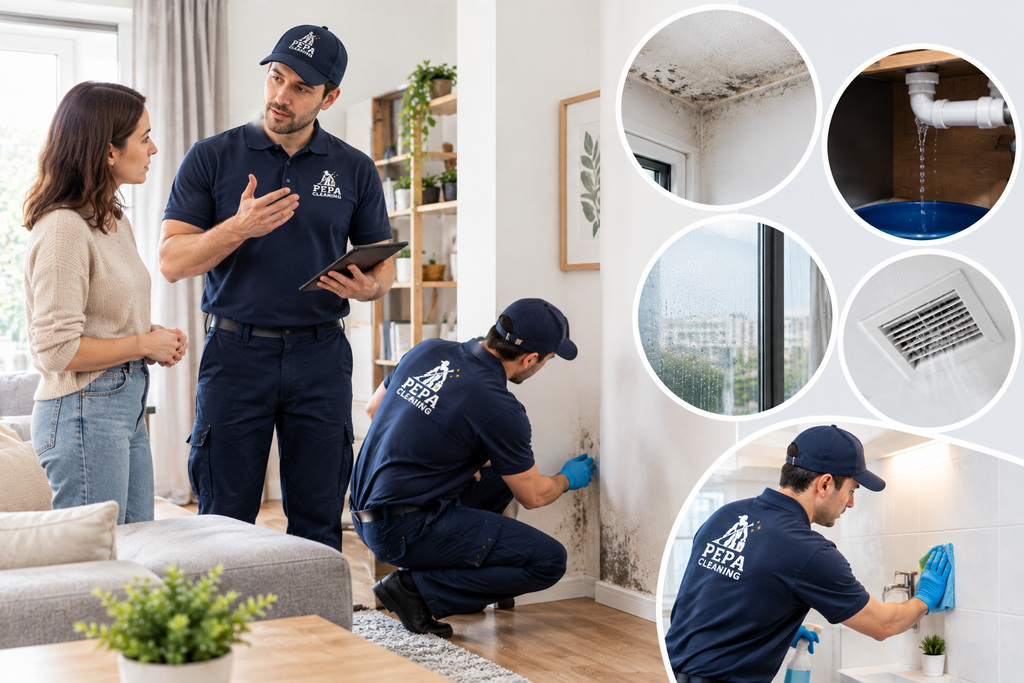
    Learn how high humidity affects your home and when you should seek professional help for mould, musty odours, damp surfaces and hidden build-up.

    High humidity can affect more than how comfortable your home feels.

    When moisture remains in the air for long periods, it can contribute to damp surfaces, musty smells, condensation, and unwanted build-up. Leaving moisture untreated makes some problems harder to manage.

    Regular household cleaning can help with everyday maintenance. If certain signs appear, seek professional help.

    High Humidity? When to Call a Professional Cleaning Team

    Humidity refers to the amount of moisture in the air.

    When indoor humidity remains high, moisture can settle on cooler surfaces such as windows, walls, and other areas around the home.

    Over time, this can create conditions where mould and mildew may develop.

    For this reason, it is important to pay attention to recurring moisture rather than simply wiping surfaces when they become wet.

    A musty smell may be a sign that moisture has been building up somewhere in the property.

    You may notice the odour in bedrooms, bathrooms, cupboards, carpets, or other enclosed areas.

    If the smell returns soon after you clean the area, there may be an underlying source that needs attention.

    In this situation, professional help can be useful for identifying and treating affected surfaces.

    Small patches of mould can sometimes develop in damp areas.

    However, we have not yet addressed the underlying moisture problem, as suggested by recurring growth.

    Mould can appear around windows, bathroom surfaces, walls, fabrics, and other areas exposed to moisture.

    If growth keeps returning, avoid simply cleaning the visible patch repeatedly. Consider getting professional advice and addressing the source of the moisture.

    Carpets can hold moisture longer than hard surfaces.

    When humidity is high, carpets may develop a damp smell or feel different underfoot.

    Moisture can also contribute to conditions that allow unwanted build-up to develop within carpet fibres.

    Professional carpet treatment may be appropriate when the problem persists or a carpet has been affected by prolonged moisture.

    Sofas, chairs, mattresses, and other fabric furnishings can absorb moisture.

    Because these materials are thicker than many hard surfaces, they may take longer to dry.

    A persistent damp smell can therefore be difficult to remove with ordinary surface cleaning.

    Professional upholstery or mattress treatment may help when moisture-related odours have become difficult to manage.

    Condensation is common when warm, moist air comes into contact with cooler surfaces.

    A small amount may not be unusual. However, frequent condensation around windows and walls should not be ignored.

    Wipe away visible moisture and improve ventilation where possible.

    At the same time, check whether the problem continues. Persistent condensation may require further investigation.

    Some moisture-related problems develop in places that are easy to overlook.

    These can include spaces behind furniture, underneath carpets, inside cupboards, around window frames, and in other poorly ventilated areas.

    Because these spaces are difficult to access, problems may remain unnoticed for longer.

    A professional service can help clean affected surfaces and identify areas that need closer attention.

    Regular cleaning cannot solve every moisture problem.

    If your home continues to feel damp despite routine maintenance, the issue may involve ventilation, condensation, leaks, or another source of moisture.

    Cleaning the visible surfaces may improve their appearance, but it may not address the underlying cause.

    In this situation, consider contacting an appropriate professional who can assess the moisture issue.

    Professional cleaning may be worth considering when:

    • Musty smells keep returning
    • Mould or mildew repeatedly appears
    • Carpets have developed damp odours
    • Upholstery smells musty
    • Moisture has affected fabric surfaces
    • Damp areas are difficult to reach
    • A property has been closed for a long period
    • A room has poor ventilation
    • You need a deeper clean after a moisture problem

    In these situations, professional equipment and experience can make the cleaning process more thorough.

    High Humidity? When to Call a Professional Cleaning Team

    Cleaning can help remove dirt, build-up, and some surface contamination.

    However, it cannot always solve the source of high humidity.

    If moisture is caused by poor ventilation, a leak, condensation, or another building-related issue, that source needs to be addressed separately.

    Therefore, professional cleaning should be viewed as part of the solution rather than a replacement for fixing the underlying moisture problem.

    There are several simple steps that may help manage indoor moisture.

    Open windows when appropriate and use extractor fans in kitchens and bathrooms. Avoid drying large amounts of laundry indoors when possible.

    You should also allow damp areas to dry properly and avoid blocking ventilation points.

    Most importantly, monitor areas where condensation frequently appears.

    If the problem continues, consider getting professional advice.

    Moisture can affect surfaces in different ways.

    Carpets, rugs, sofas, mattresses, and other fabrics may require specific treatment depending on their condition.

    A professional team can assess the material before choosing an appropriate method.

    As a result, you can avoid using unsuitable products or methods that may damage delicate surfaces.

    High humidity should not be ignored when it starts affecting your property.

    Recurring musty smells, mould, damp carpets, condensation, and moisture-related odours can all be signs that an area needs closer attention.

    Regular maintenance can help, but some problems require professional intervention.

    If moisture has affected carpets, upholstery, mattresses, or other surfaces, professional cleaning may help restore them and make the property easier to maintain.

    At the same time, remember that the underlying source of excess moisture should also be addressed.

    High humidity can create damp conditions that support mould growth. However, the cause of moisture should also be addressed to prevent the problem from returning.

    Moisture can contribute to musty odours, particularly in enclosed spaces, carpets, upholstery, and other absorbent materials.

    Professional treatment can help remove odours and built-up dirt from suitable surfaces. However, the source of excess moisture should also be identified and addressed.

    Small surface areas may sometimes be handled according to appropriate guidance. However, recurring, extensive, or difficult-to-reach mould should be assessed by a suitable professional.

    Consider professional help when moisture has affected carpets, upholstery, mattresses, or other surfaces, or when musty smells and build-up keep returning despite regular cleaning.

    High humidity can make certain cleaning problems more difficult to manage.

    PEPA Cleaning provides professional carpet cleaning, sofa and upholstery cleaning, rug and mattress cleaning, window cleaning, hard floor polishing, end of tenancy cleaning, garden maintenance, and waste removal across West London.

    If moisture has left your carpets, upholstery, rugs, or mattresses with persistent odours or built-up dirt, our team can help.

  • Why Professional Cleaning Goes Beyond What You See

    Why Professional Cleaning Goes Beyond What You See

    Discover why professional cleaning goes beyond visible dirt, including hidden build-up in carpets, upholstery, floors, windows, and hard-to-reach areas.

    A home can look clean while still needing more attention.

    Visible surfaces may appear tidy, but dirt, dust, and build-up can collect in places that are easy to overlook. Carpets, upholstery, floors, windows, and other areas can all require more detailed care.

    This is where specialist care can make a difference.

    Rather than focusing only on what you can see, a thorough approach considers the less noticeable areas of a property.

    A professional service is more than simply wiping surfaces and removing visible dirt.

    A trained cleaning team can assess different materials and areas of a property before choosing suitable cleaning methods.

    For example, carpets may require specialist equipment, while upholstery may need a different treatment.

    The aim is to clean surfaces carefully while protecting them from unnecessary damage.

    Why Professional Cleaning Goes Beyond What You See

    Some dirt is easy to see. Other build-up can remain hidden.

    Dust and debris may collect under furniture, between sofa cushions, inside carpet fibres, and around corners.

    As a result, a quick surface clean may not always provide the same result as a more detailed cleaning process.

    Professional equipment can help reach areas that are difficult to clean using everyday household tools.

    Vacuuming is useful for regular maintenance.

    However, carpets can hold dirt and particles deep within their fibres. Heavy foot traffic can also leave marks and build-up over time.

    Therefore, a professional carpet service can provide a deeper treatment. when a carpet needs more than routine vacuuming.

    This can be particularly useful for heavily used areas, rental properties, and carpets that have not been professionally cleaned for some time.

    Sofas and upholstered chairs can collect dirt through everyday use.

    Food crumbs, hair, dust, and other particles can settle between cushions and along seams.

    For this reason, regular vacuuming is helpful, but some fabric surfaces may need more detailed treatment.

    Specialist upholstery care can help remove built-up dirt while using methods suitable for the material.

    Floors receive constant use.

    Over time, they can develop marks, dull areas, and built-up residue that regular mopping may not completely remove.

    Depending on the flooring, a specialist treatment or floor polishing may help improve its appearance and condition.

    The correct method is important because different flooring materials require different types of care.

    Clean windows can make a room feel brighter.

    However, windows also include frames, sills, tracks, and other areas where dirt can collect.

    Consequently, a professional window service can provide a more detailed result than simply wiping the glass.

    For large or difficult-to-reach windows, professional equipment can also make the job safer and more efficient.

    Why Professional Cleaning Goes Beyond What You See

    Some areas are simply difficult to access.

    Spaces behind furniture, underneath cabinets, high windows, and narrow corners may receive little attention during everyday cleaning.

    Over time, these areas can collect dirt and debris.

    A thorough service can help target overlooked spaces and make the overall property feel more thoroughly maintained.

    Regular household cleaning is important. However, some jobs require more time, equipment, or specialist knowledge.

    Professional cleaners can work with different surfaces and use appropriate methods for each area.

    In addition, professional services can save you time when you need to prepare a property for a specific occasion.

    This can be helpful before moving into a new property, preparing for tenants, selling a home, or dealing with heavily used areas.

    Professional help can be useful when:

    • Your home needs a deeper clean
    • Carpets have heavy dirt or stains
    • Sofas and upholstery need detailed care
    • Floors have become dull or marked
    • Windows are difficult to reach
    • You are preparing a rental property
    • You are moving in or moving out
    • You have limited time for cleaning
    • Certain areas have been neglected for a long time

    In these situations, professional help can make property care easier and more manageable.

    A property does not have to look extremely dirty before it needs professional attention.

    Sometimes, the areas that need cleaning most are the ones you cannot easily see.

    By dealing with hidden build-up, you can help maintain carpets, upholstery, floors, windows, and other surfaces for longer.

    A regular professional help schedule can also make larger cleaning tasks easier to manage.

    Professional help goes beyond making a property look tidy.

    It focuses on areas where dirt, dust, and build-up can collect, including carpets, upholstery, floors, windows, and hard-to-reach spaces.

    Most importantly, professional help can provide a deeper level of care when everyday maintenance is no longer enough.

    If certain areas of your property are difficult to clean yourself, professional support can save time and help you achieve a more thorough result.

    Regular cleaning usually focuses on everyday maintenance. Professional help can involve specialist equipment, techniques, and more detailed attention to difficult areas.

    Professional help can help remove dirt and build-up from areas that may be difficult to reach with standard household cleaning tools.

    Regular vacuuming is important, but professional carpet cleaning can provide a deeper treatment when carpets have accumulated heavy dirt or require specialist care.

    Yes. Professional upholstery cleaners can help maintain suitable fabric surfaces and remove built-up dirt, depending on the material and manufacturer’s care instructions.

    Consider professional help when your property needs a deeper clean, you are moving, preparing a rental property, or do not have enough time to handle larger tasks yourself.

    Some cleaning problems cannot be solved with a quick wipe or regular vacuuming.

    PEPA Cleaning provides professional carpet cleaning, sofa and upholstery cleaning, rug and mattress cleaning, window cleaning, hard floor polishing, end of tenancy cleaning, garden maintenance, and waste removal across West London.

    If your property needs more than surface-level care, our team can help.