
Tag: FloorStains

  • Why Daily Foot Traffic Means Your Floors Need Extra Care

    Why Daily Foot Traffic Means Your Floors Need Extra Care

    Learn how daily foot traffic affects floors and discover simple ways to protect them from dirt, marks, scratches, moisture, and everyday wear.

    Floors deal with constant use every day. People walk across them, move furniture, carry items, and bring outdoor dirt inside. Over time, this regular activity can affect their appearance and condition.

    Even when a floor looks clean, small particles can collect in textured areas, gaps, and corners. Therefore, regular care is important for keeping different flooring materials looking their best.

    How Does Daily Foot Traffic Affect Floors?
    Some areas of your floors naturally receive more foot traffic than others.

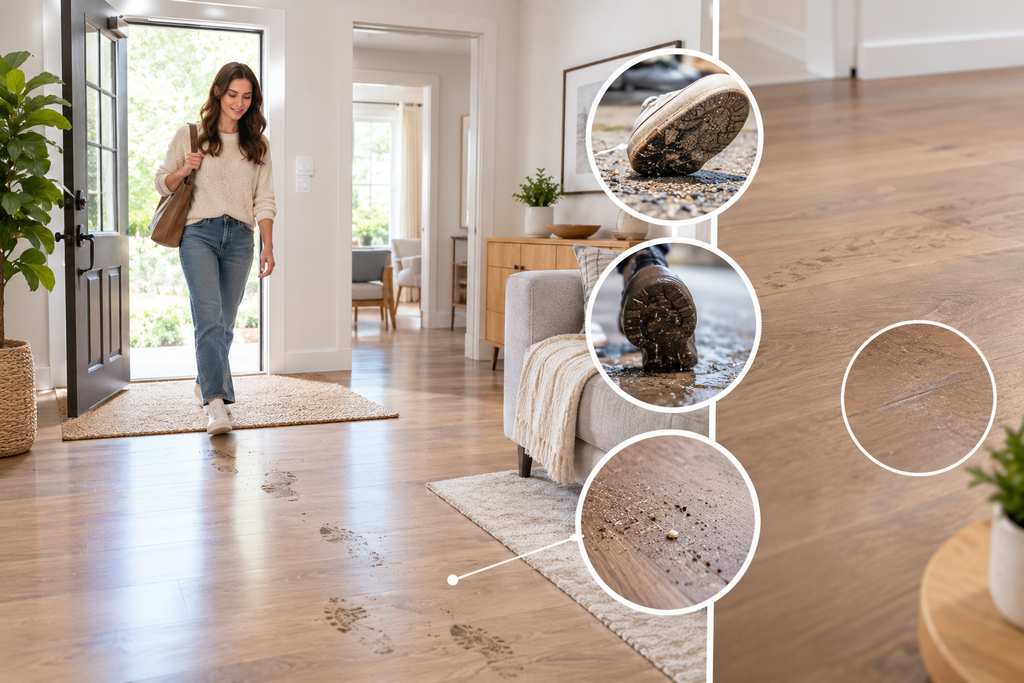
    Hallways, entrances, stairways, kitchens, and living areas are often used throughout the day. As a result, these floors may show dirt and wear sooner.

    Bedrooms and less frequently used rooms may need less frequent attention.

    Creating a routine based on how each area is used can make floor maintenance more practical.

    Some areas receive much more use than others. Entrance ways and hallways are common examples.

    Because people walk through these areas frequently, dirt can build up faster. Regular vacuuming and mopping can help remove loose debris.

    However, some residue may remain around edges, joints, or textured sections. These areas may need more detailed attention from time to time.

    Small particles of grit can be brought indoors on shoes. Although they may not seem significant, repeated foot traffic can move them across the floor.

    This can gradually affect certain finishes, especially when the same areas are used heavily.

    For this reason, placing suitable mats near entrances can help reduce the amount of outdoor debris brought inside.

    Wet shoes and umbrellas can introduce moisture into entrance areas. If water remains on a surface for too long, it may leave marks or affect certain materials.

    Deal with spills and moisture as soon as possible. Also, make sure entrance mats are kept clean and dry.

    Good ventilation can help in areas where moisture is a regular concern.

    Foot traffic is not the only source of everyday wear. Furniture can also place pressure on flooring.

    Chairs and tables may leave marks when moved repeatedly. Heavy items can also create pressure points over time.

    Using suitable protective pads under furniture legs can help reduce unnecessary marks. When moving heavy items, lift them where possible instead of dragging them.

    Not all floors should be treated in the same way. Carpet, wood, stone, vinyl, and other materials have different care requirements.

    For example, excessive moisture may not be suitable for certain wooden surfaces. Likewise, some natural stone materials need specific products and methods.

    Always check the manufacturer’s instructions before using a new product or treatment on your floors.

    A simple routine can make a big difference. Vacuuming, sweeping, and mopping can help remove dirt from floors before it becomes difficult to manage.

    Pay particular attention to busy areas. These sections may need more frequent care than rooms that receive less use.

    As a result, regular floor maintenance can help keep the entire property looking fresher.

    Routine care is useful, but it cannot always deal with every type of build up. Marks, dull finishes, deep dirt, and other issues may need a more specialised approach.

    Professional floor cleaning or polishing can provide deeper treatment for suitable materials. The correct method depends on the type and condition of the flooring.

    Therefore, professional care can be useful when routine maintenance is no longer giving you the results you want.

    Why Daily Foot Traffic Means Your Floors Need Extra Care

    You cannot stop people from walking across your floors. However, a few simple habits can reduce unnecessary wear.

    • Place suitable mats near entrances.
    • Keep entrance areas free from excess moisture.
    • Vacuum or sweep high traffic areas regularly.
    • Clean spills quickly.
    • Avoid dragging heavy furniture.
    • Use suitable protective pads under furniture legs.
    • Follow the care instructions for your flooring material.
    • Arrange professional treatment when needed.

    These simple steps can help reduce the impact of everyday use.

    Some areas of your floors naturally receive more foot traffic than others.

    Hallways, entrances, stairways, kitchens, and living areas are often used throughout the day. As a result, these floors may show dirt and wear sooner.

    Bedrooms and less frequently used rooms may need less frequent attention.

    Creating a routine based on how each area is used can make floor maintenance more practical.

    Consider professional help when your floors have:

    • Deep or stubborn marks
    • Heavy dirt build up
    • A dull or tired appearance
    • Areas of uneven wear
    • Stains that routine methods cannot remove
    • A finish that needs specialist treatment

    Professional care can also be useful before selling or letting a property, after renovation work, or when preparing a property for new occupants.

    Daily foot traffic is unavoidable. However, the effects on your floors can be managed with the right routine.

    Regular maintenance, entrance mats, quick spill treatment, and careful furniture handling can all help reduce unnecessary wear.

    When your floors need more than routine care, a professional service can provide a deeper solution.

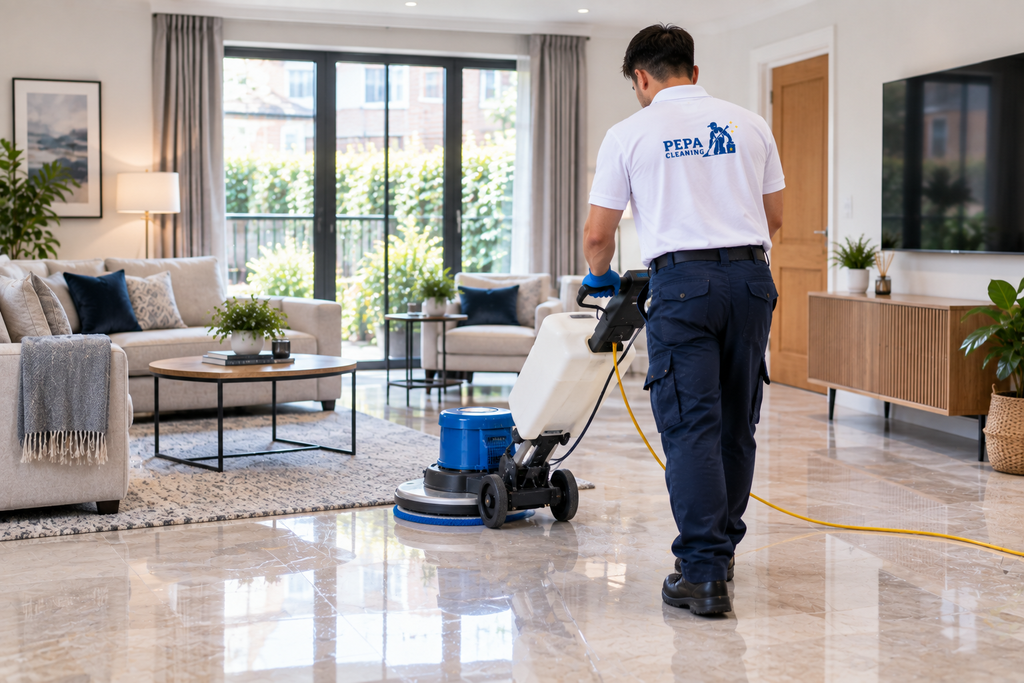
    PEPA Cleaning provides professional floor cleaning and polishing services across West London. Our team can help care for different flooring types using suitable methods.

    Daily foot traffic can bring in dust, grit, moisture, and other outdoor particles. High traffic areas therefore tend to become dirty faster.

    Use suitable entrance mats, clean busy areas regularly, deal with spills quickly, and avoid dragging furniture across the floor.

    Professional treatment can help with certain types of deep dirt and build up. Results depend on the flooring material and its condition.

    There is no single schedule for every property. The right frequency depends on the flooring type, level of foot traffic, and overall condition.

    Daily use can gradually affect the appearance of your floors. With the right maintenance and professional support when needed, you can keep them looking fresh for longer.

    PEPA Cleaning provides professional floor cleaning and polishing across West London.

  • What Does Professional Floor Polishing Actually Do?

    What Does Professional Floor Polishing Actually Do?

    Find out what professional floor polishing does, how it improves dull surfaces, and why regular care can help keep your floors looking clean and well maintained.

    Floors can lose their shine over time. Daily foot traffic, dirt, spills, and regular use can leave surfaces looking dull or worn.

    This is where professional floor polishing can help. The process can improve the appearance of suitable floors while helping restore a cleaner and more finished look.

    But what does polishing actually do? Let’s look at how the process works and when your floors may benefit from it.

    What Does Professional Floor Polishing Actually Do?

    Floor polishing is a cleaning and maintenance process designed to improve the appearance of certain hard flooring surfaces.

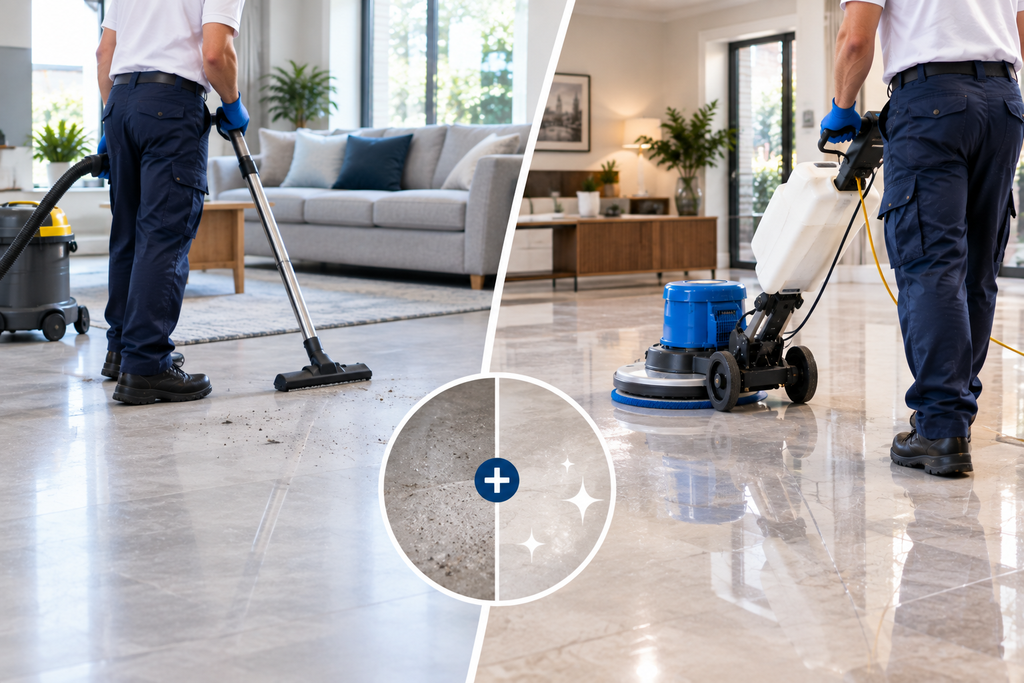
    During professional treatment, the floor is cleaned before suitable equipment and products are used to work on the surface.

    As a result, dull areas can look smoother and more polished.

    The exact process depends on the type of floor. Different materials require different cleaning methods, equipment, and products.

    One of the main benefits is a cleaner and brighter appearance.

    Over time, everyday use can leave marks and build-up on hard floors. These can make the surface look tired even after normal cleaning.

    Professional polishing can help improve the finish by working on the surface and removing certain marks or dullness.

    However, results can vary depending on the material and condition of the floor.

    Some surface marks can be improved through professional treatment.

    Small scratches, scuffs, and dull areas may affect the appearance of a floor. With the right process, some of these imperfections can become less noticeable.

    However, deep damage may require a different treatment.

    For this reason, it is important to assess the floor before starting any work. A professional cleaner can recommend a suitable approach based on the surface.

    A well-maintained floor can be easier to keep looking clean.

    After professional treatment, regular cleaning can help maintain the improved appearance. Sweeping and mopping can then remove everyday dirt before it builds up.

    However, polishing does not replace routine cleaning. Floors still need regular care to prevent new dirt and marks from developing.

    Not every floor should be treated in the same way.

    Professional polishing may be suitable for certain hard surfaces, depending on their material and condition.

    For example, some natural stone and hard flooring surfaces can benefit from specialist polishing methods.

    Before treatment, the surface should be assessed carefully. Using the wrong product or technique could damage certain materials.

    Polishing a floor properly can require more than household cleaning products.

    Professional equipment can provide a more consistent result across larger areas. In addition, trained cleaners know how to work with different surfaces and choose suitable methods.

    This can be especially useful for commercial spaces, large homes, or floors that have not received professional care for a long time.

    There is no single schedule for every property.

    The ideal frequency depends on the type of flooring, how much traffic it receives, and its current condition.

    For example, a busy commercial floor may need more frequent maintenance than a floor in a quiet home.

    Regular cleaning can help extend the time between professional treatments. At the same time, watching for dullness, marks, and visible wear can help you know when the surface needs extra care.

    Your floor may benefit from professional attention if:

    • The surface looks dull
    • Regular cleaning no longer restores its appearance
    • There are visible scuff marks
    • High traffic areas look worn
    • The finish looks uneven
    • Dirt and marks are becoming harder to remove

    If you notice several of these signs, professional assessment may be worthwhile.

    What Does Professional Floor Polishing Actually Do?

    Regular cleaning removes everyday dirt, dust, and spills. It is an important part of keeping your floors in good condition.

    Polishing is different. Instead of simply cleaning the surface, professional treatment focuses on improving the finish and appearance of suitable flooring.

    Both forms of care can work together.

    Regular cleaning handles everyday maintenance, while professional polishing can provide deeper surface care when needed.

    Professional treatment can be useful when your floor has become noticeably dull or worn.

    It can also help before important occasions, property viewings, or after a period of heavy use.

    For example, landlords and property managers may want floors to look well maintained before presenting a property to new tenants.

    Similarly, homeowners may choose professional treatment when regular cleaning is no longer giving the desired result.

    Professional floor polishing does more than simply make a floor look shiny.

    It can help improve the appearance of suitable surfaces, reduce the look of certain marks, and give worn areas a more maintained finish.

    However, the right method depends on the flooring material and its condition. Professional assessment is therefore important before treatment.

    With regular cleaning and suitable professional care, your floors can stay cleaner and look well maintained for longer.

    Professional floor polishing can improve the appearance and finish of suitable hard flooring surfaces. It may also help reduce the appearance of some surface marks and dull areas.

    It can improve some light surface scratches and scuff marks. However, deep scratches or serious damage may require a different treatment.

    No. Regular cleaning removes everyday dirt and spills, while polishing focuses more on improving the finish and appearance of suitable surfaces.

    This depends on the flooring material, traffic levels, and condition of the surface. Busy areas may require more frequent professional maintenance.

    No. Different flooring materials require different methods. Therefore, the surface should be checked before any polishing treatment begins.

    Dull or worn floors can affect the overall appearance of your property. If regular cleaning is no longer giving you the result you want, professional care may help.

    PEPA Cleaning provides professional floor polishing services in West London. Our team can assess your flooring and use suitable cleaning and maintenance methods based on the surface.

    You can also explore our carpet cleaning, window cleaning, and sofa and upholstery cleaning services for other areas of your property.

    Get in touch today for a free quote.

  • Stubborn Floor Stains: The Truth About Removing Them

    Stubborn Floor Stains: The Truth About Removing Them

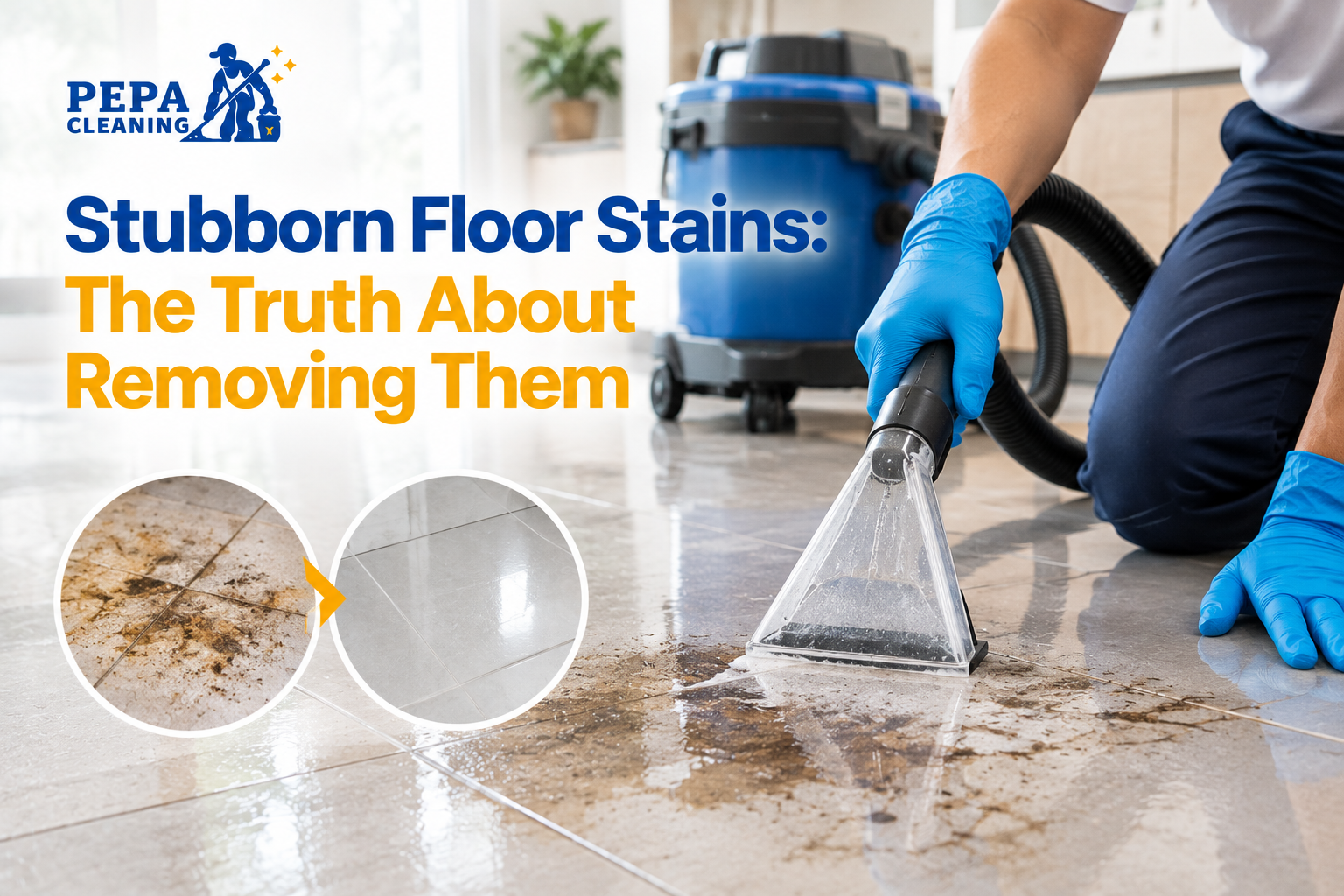
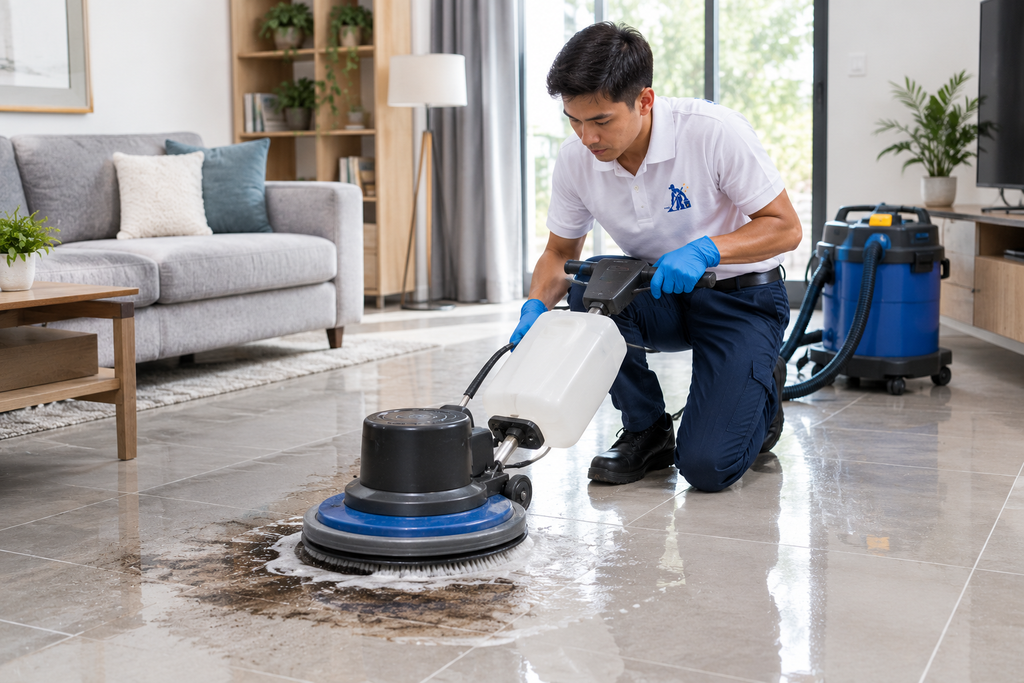
    Some stubborn floor stains can be surprisingly difficult to remove. A quick mop may clean the surface, but deeper marks can remain.

    Food spills, grease, dirt, drink stains, and other substances can leave marks on different types of flooring. Over time, these stains may become harder to treat.

    So, why do some marks disappear easily while others seem impossible to remove? The answer often depends on the type of stain, the flooring material, and how long the stain has been there.

    Stubborn Floor Stains: The Truth About Removing Them

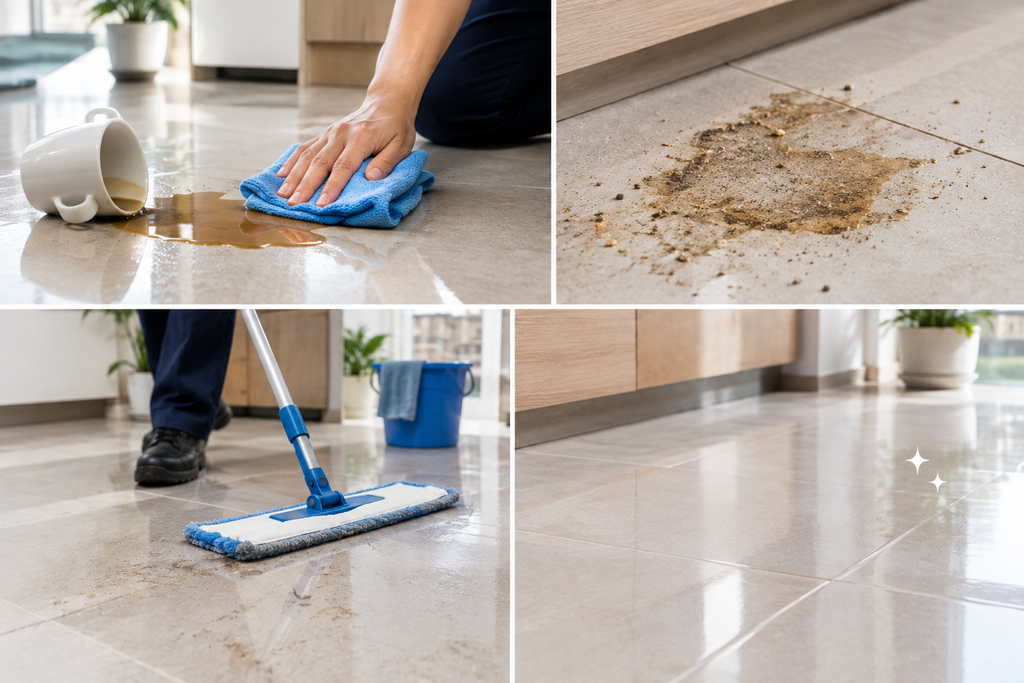
    Fresh spills are usually easier to clean.

    However, when a stain is left untreated, it can settle into the surface. Dirt may also build up around the affected area.

    As a result, an old mark may need more than regular mopping.

    Cleaning spills as soon as possible can therefore help prevent them from becoming permanent marks.

    Not all stains are the same.

    For example, grease can leave a sticky layer on the floor. Coffee, tea, and coloured drinks may leave noticeable marks. Mud can also become difficult to remove once it dries.

    Meanwhile, some substances can work their way into small gaps or textured surfaces.

    For this reason, identifying the type of stain is an important first step.

    Different floors react differently to stains and cleaning products.

    Tile, stone, vinyl, wood, and other flooring materials each have their own cleaning needs. A method that works well on one surface may damage another.

    Therefore, always consider the type of flooring before using a strong cleaner.

    For delicate surfaces, professional cleaning can be a safer option.

    Sometimes, what looks like one large stain is actually a build up of dirt.

    Regular foot traffic brings dust, mud, oils, and other debris into your home. Gradually, these substances can collect on the floor.

    As the build up becomes thicker, ordinary cleaning may not provide the results you want.

    Regular deep cleaning can help remove dirt that everyday mopping may leave behind.

    A strong cleaning product does not always mean better results.

    In fact, using the wrong product can make a stain worse. Some cleaners may leave residue or affect the finish of certain floors.

    Instead, choose a cleaning method that suits both the stain and the flooring material.

    If you are unsure, professional advice can help you avoid unnecessary damage.

    Fortunately, a few simple habits can help protect your floors.

    • Clean spills as soon as they happen.
    • Sweep or vacuum regularly.
    • Place mats near entrances.
    • Wipe muddy footprints quickly.
    • Avoid using unsuitable cleaning products.
    • Follow the care instructions for your flooring.
    • Arrange professional cleaning when deeper cleaning is needed.

    These small steps can make everyday floor maintenance much easier.

    Stubborn Floor Stains: The Truth About Removing Them

    Some marks need more attention than regular household cleaning can provide.

    If stains have built up over time, professional cleaning may help restore the appearance of the floor. The correct equipment and cleaning method can also make a difference, particularly when dealing with heavily soiled areas.

    At PEPA Cleaning, professional floor cleaning services can help tackle difficult marks and built up dirt while taking the flooring material into consideration.

    Stubborn floor stains can have several causes. The age of the stain, the substance involved, the flooring material, and the cleaning method can all affect the result.

    Therefore, dealing with spills early is always a good idea. However, when marks have already become difficult to remove, professional floor cleaning may be worth considering.

    Some stains become harder to remove when they dry or settle into the surface. Grease, coloured drinks, and built up dirt can be particularly difficult.

    Regular mopping can remove surface dirt, but it may not be enough for older or deeper marks. These stains may require a more suitable cleaning method.

    Yes. Certain cleaning products may affect delicate surfaces or leave unwanted residue. Always choose a product that is suitable for your flooring.

    Clean spills quickly, sweep regularly, use entrance mats, and avoid letting dirt build up. Professional cleaning can also help maintain heavily used floors.

    If your floors have built up dirt or difficult marks, PEPA Cleaning can help.

    Get in touch today for a free quote.