Learn simple ways to manage household waste, reduce clutter, sort unwanted items, recycle where possible, and keep your property cleaner.
Household rubbish can build up faster than expected. Food packaging, old furniture, garden cuttings, broken items, and everyday discarded materials can quickly take over your home.
Poor waste management can make rooms feel cluttered and harder to maintain. As a result, cleaning may also become more time-consuming.
Fortunately, a few simple habits can help you stay organised. By sorting items regularly and dealing with unwanted materials early, you can keep your home cleaner, tidier, and easier to manage.
Start by Sorting Your Waste
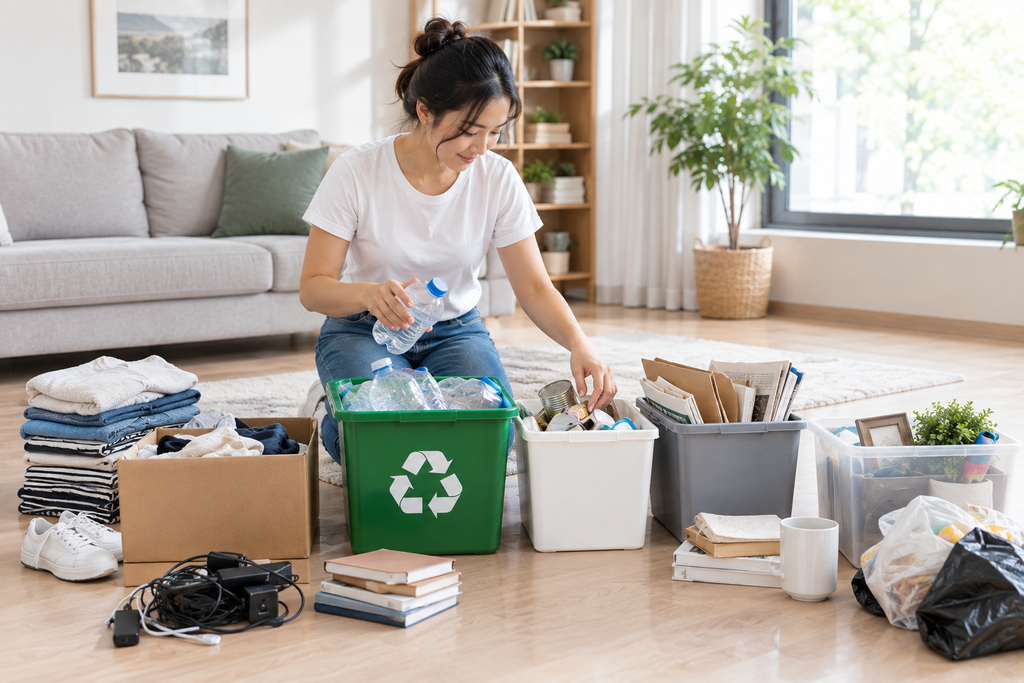
The first step is to understand what you need to get rid of.
Instead of putting everything into one bag, separate items based on their type.
For example, you may have:
- General rubbish
- Recyclable materials
- Food waste
- Garden waste
- Unwanted furniture
- Items that can be donated
- Items that need specialist disposal
As a result, sorting items early can make the rest of the process much easier.
Reduce Waste Before It Builds Up
One of the easiest ways to manage household rubbish is to avoid creating more than necessary.
Before buying something new, consider whether you really need it. Choose reusable products where practical and avoid purchasing more than you can use.
Similarly, plan your meals carefully to avoid buying food that may go unused. Store leftovers properly and use them before they spoil.
Small changes may not seem significant at first. However, simple habits like these can help reduce the amount of rubbish produced over time.
Keep Food Waste Under Control
Food scraps can quickly create unpleasant smells and attract pests if they are left for too long.
Store food properly and check your fridge regularly. This can help you use products before they expire.
When possible, separate food scraps from other household rubbish according to your local collection rules.
In addition, avoid putting liquids or loose food into general rubbish bags, as this can cause leaks and make them harder to handle.
Separate Recyclable Materials
Many everyday items may be recyclable.
Depending on your local collection service, this can include paper, cardboard, glass, metal, and certain types of plastic.
However, recycling rules can vary between councils. Always check local guidance before putting an item into a recycling container.
Flattening cardboard boxes can also help save space.
Deal With Garden Waste Regularly
Gardens can produce a surprising amount of greenery and garden debris.
Grass cuttings, fallen leaves, branches, and unwanted plants can quickly fill bags or outdoor storage areas.
Therefore, clear garden waste regularly rather than allowing it to build up.
Some materials may be suitable for composting or local garden waste collection.
If a garden has become heavily overgrown, professional garden maintenance can also make the clearing process easier.
Do Not Let Old Furniture Pile Up
Old furniture can be difficult to manage because it is often large and heavy.
A broken sofa, damaged table, or unused wardrobe can quickly take up valuable space.
Before throwing anything away, consider whether it can be sold, donated, reused, or recycled.
If an item is no longer suitable for use, check your local disposal options.
For large or bulky items, professional waste removal can save time and effort.
Keep Waste Out of Walkways
Bags, boxes, and unwanted items should not be left in areas where people need to walk.
Cluttered hallways, stairs, and entrances can make a property harder to move around safely.
For this reason, move waste to a suitable storage or collection area as soon as possible.
Keeping these spaces clear can also make regular cleaning much easier.
Create a Regular Waste Routine
You do not need to wait until waste becomes overwhelming.
Instead, set aside a small amount of time each week to check cupboards, storage areas, garages, and outdoor spaces.
Look for items that are no longer needed.
By dealing with unwanted items regularly, you can prevent large piles from developing.
Be Careful With Difficult Items
Not every item should be placed in a normal rubbish bin.
Electrical items, chemicals, batteries, and other materials may require special disposal.
Therefore, check local guidance before throwing away anything that could require specialist handling.
If you are unsure, contact your local council or an appropriate waste service.
Make Decluttering Part of Waste Management
Waste management and decluttering can work together.
When clearing a room, separate things into items to keep, donate, sell, recycle, and dispose of.
This makes the process more organised and helps prevent useful items from being thrown away unnecessarily.
It can also create more space around your home.
When Should You Consider Professional Waste Removal?
Sometimes the amount of unwanted material becomes too much to handle yourself.
Professional removal services can be useful when you are:
- Clearing a garage
- Removing old furniture
- Preparing a property for sale
- Moving home
- Clearing an overgrown garden
- Renovating a room
- Emptying a property
- Dealing with a large amount of unwanted rubbish
In these situations, professional help can save time and make the process more manageable.
How Can Professional Waste Removal Help?
Large amounts of unwanted belongings can take time to sort, carry, and transport.
A professional team can help remove unwanted items from your property and handle the clearing process more efficiently.
This can be particularly useful when heavy furniture or large amounts of rubbish are involved.
As a result, you can focus on organising the rest of your property instead of dealing with every unwanted item yourself.
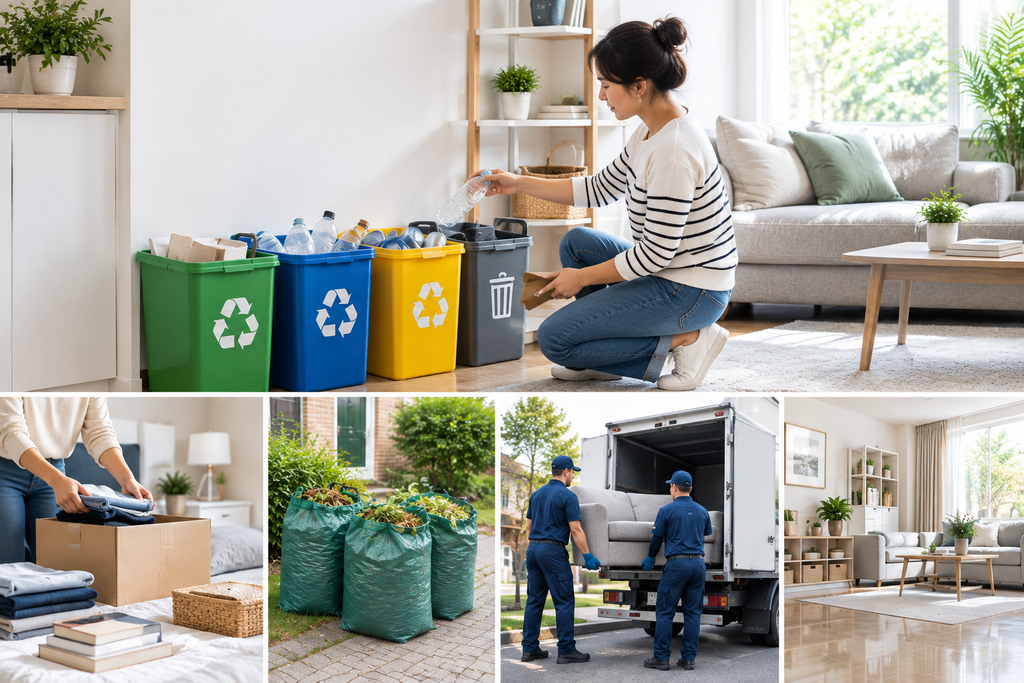
Managing waste does not have to be complicated.
Start by sorting items, reducing unnecessary purchases, recycling where possible, and dealing with unwanted materials regularly.
Most importantly, do not allow rubbish, furniture, or garden waste to build up for too long.
When the amount becomes difficult to manage, professional waste removal can provide a convenient solution.
A simple routine can help keep your home more organised, reduce clutter, and make everyday cleaning easier.
Frequently Asked Questions
How can I manage waste at home?
Start by separating general rubbish, recyclable materials, food waste, garden waste, and unwanted items. Then, deal with each type according to local disposal guidance.
How can I reduce household waste?
Buy only what you need, choose reusable products where practical, plan meals carefully, and donate or reuse suitable items instead of throwing them away.
What should I do with old furniture?
If furniture is still usable, consider selling or donating it. Damaged pieces may need recycling or appropriate disposal.
Can garden waste be recycled?
Some garden materials may be composted or collected through local garden waste services. Check your local council’s rules for specific guidance.
When should I use professional waste removal?
Professional waste removal can be useful when you have bulky furniture, large amounts of rubbish, an overgrown garden, or waste that is difficult to transport yourself.
Manage Waste More Easily with PEPA Cleaning
Keeping unwanted items under control can make your home easier to clean and organise.
PEPA Cleaning provides removal and clearing services across West London. Our team can help with unwanted furniture, household rubbish, garden cuttings, and other clearing needs, depending on the service required.
We also provide garden maintenance, carpet cleaning, window cleaning, sofa and upholstery cleaning, hard floor polishing, and end of tenancy cleaning.
Get in touch today for a free quote.
Phone or WhatsApp: +44 7721 830704
Email: contact@pepacleaning.com
Website: https://pepacleaning.com/
Leave a Reply